What Happens When Teeth Are Straight But The Front Tooth Edges Still Look Uneven
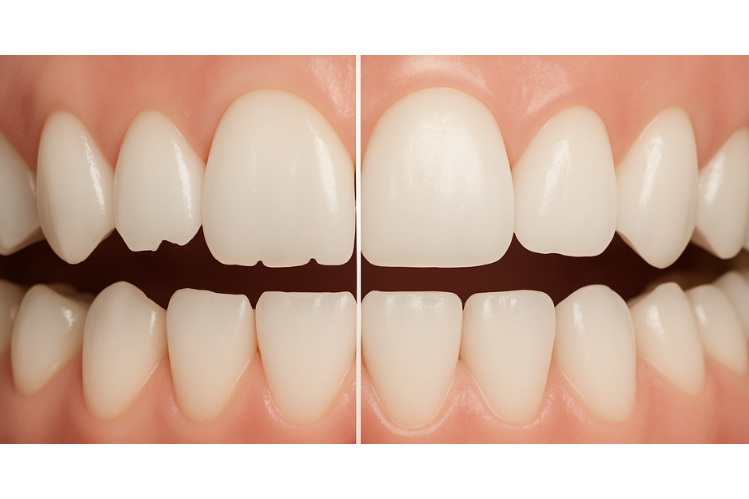
You finished orthodontic treatment, or your teeth already sit in the right place, and yet your smile still looks a little off. The front teeth line up, but the edges look chipped, flat, jagged, or uneven. That can feel frustrating because from a distance it seems like the hard part should already be done. You may even be wondering whether the problem is cosmetic, functional, or a sign that something is wearing your teeth down. In some cases, concerns about uneven or damaged edges may also lead people to seek Van Nuys emergency dental treatment.
When teeth are straight but the front edges still look uneven, the cause is often wear, small chips, natural tooth shape, bite pressure, or enamel loss. Sometimes the fix is simple contouring or bonding. Sometimes it points to grinding, erosion, or a bite issue that needs more than a surface touch up. A cosmetic dentist and orthodontist can sort out which is which, so you do not spend money smoothing edges that will just chip again.
Uneven front tooth edges often come from wear, not crooked teeth
Straight teeth and even tooth edges are not the same thing. Orthodontics moves teeth into better positions. It does not rebuild enamel that has already worn away, and it does not always change the shape of the biting edges. If one front tooth is slightly longer, one corner is chipped, or several teeth look see through at the ends, alignment may be fine while the edges need separate care.
You might notice this most in photos, on video calls, or when bright light hits your smile from the front. That is common. Small differences in edge length can stand out even when no one else would call your teeth crooked. The issue can still matter because those edges frame your whole smile.
Common reasons for uneven front tooth edges include nighttime grinding, clenching during the day, minor trauma, old bonding that has worn down, and acid erosion. The American Dental Association explains that dental erosion can soften and thin enamel over time, especially with frequent acid exposure from diet or reflux. Once enamel is lost, the edges can look rougher, shorter, and less balanced.
Uneven front teeth after braces can signal a bite problem underneath
If you had braces or clear aligners and the teeth look straight but the edges still seem uneven, the bite deserves a closer look. Sometimes the teeth were moved into alignment, but the way they meet still puts extra force on one or two front teeth. That can create fresh chipping or flattening after treatment ends.
This is where people get stuck. They assume they only need a cosmetic fix, so they ask for bonding or reshaping. The result can look good for a while, then the same spot breaks again. If you grind at night, press your teeth together under stress, or hit the front teeth edge to edge when you chew, the shape problem keeps coming back because the pressure never stopped.
There is also the natural side of it. Not every smile has front teeth that form one perfectly smooth line. Some central incisors are meant to be a little longer than the lateral incisors, and some tiny edge variations are normal and attractive. The goal is not a rigid, identical row. The goal is a smile that looks balanced and works comfortably.
Research from the National Institute of Dental and Craniofacial Research shows how common oral conditions and untreated wear can be across the population in its report on oral health in America. That matters because uneven edges are not always just a beauty issue. They can be part of a larger pattern of enamel loss, bite stress, or delayed dental care.
Teeth straight but uneven edges often need cosmetic and functional treatment together
The best treatment depends on why the edges look uneven. If the enamel is healthy and the difference is minor, contouring may be enough. That means carefully polishing a small amount of enamel to improve symmetry. If a tooth is chipped or too short, bonding can add shape back. Porcelain veneers may help when several front teeth need a larger shape change or when bonding would not be durable enough.
If wear is active, treatment should also protect the teeth. That could mean a night guard, bite adjustment, or a review of whether the orthodontic result needs refinement. If acid is part of the picture, the source matters too. Sports drinks, frequent citrus, soda, and reflux can all keep the edges vulnerable.
| Concern | What it may mean | Common treatment | What happens if ignored |
|---|---|---|---|
| Small uneven edge lengths | Natural shape difference or mild wear | Contouring or bonding | Mostly cosmetic frustration, possible gradual wear |
| Repeated chipping on one front tooth | Bite imbalance or grinding | Bonding plus bite review or night guard | More breakage and repair costs |
| See through or thinning edges | Enamel erosion | Diet review, erosion management, bonding or veneers | More enamel loss and sensitivity |
| Flat front teeth | Clenching or long term wear | Restorative reshaping and protection | Shorter teeth and bite changes over time |
Practical steps can keep a small edge issue from turning into a bigger one
Take clear close up photos. Use good light and take one photo smiling, one with teeth gently together, and one from the side if possible. If the edges have changed over the last year, those photos help show whether this is stable or active wear.
Track the patterns around discomfort and habits. Do you wake up with jaw tension, headaches, or sore teeth. Do you sip acidic drinks through the day. Did the chipping start after aligners or after a stressful period. Those details often explain why the edges look uneven.
Book an evaluation with a cosmetic dentist and orthodontist. A shape fix alone is not enough if your bite keeps damaging the same teeth. A combined cosmetic and orthodontic review can tell you whether you need simple polishing, bonding, bite refinement, or protection from grinding.
Front tooth edge irregularities are fixable with the right diagnosis
If your smile looks almost right except for the front edges, you are not imagining the difference. Straight teeth can still look worn, chipped, or unbalanced, and the reason matters. Some cases need a light cosmetic touch. Others need the bite, habits, or enamel health addressed first. The good news is that front tooth edge irregularities are often very treatable once the cause is clear.
You do not have to settle for a smile that feels unfinished. A careful exam can show whether the problem is shape, wear, pressure, or all three, and that gives you a plan that lasts.
