5 Daily Care Tips For Implant Supported Bridges
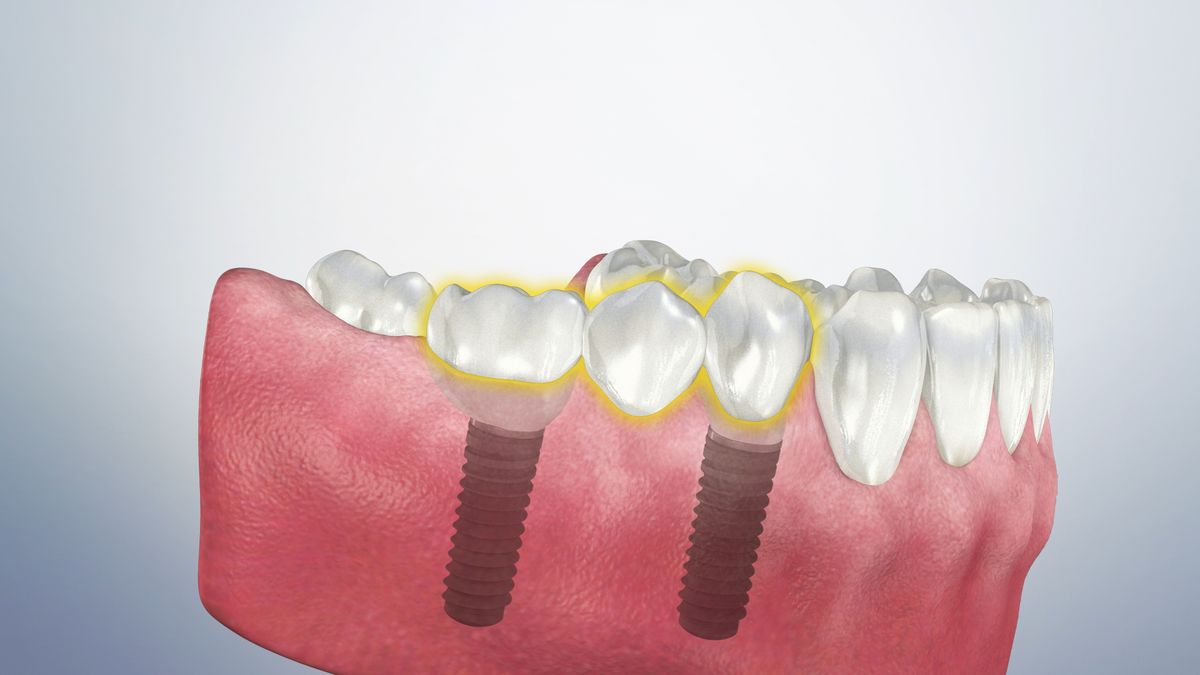
You paid for a solution that should make life easier, not one more thing to worry about. Still, if you have an implant supported bridge, it makes sense that you check every little feeling, every bit of food that gets stuck, every small change in your gums. That low level stress is common, and talking with a dental implant dentist in Fresno can help you feel more confident about what is normal. These restorations are strong, but they are not care free. Daily habits matter, and small misses can turn into sore tissue, bad breath, staining, or trouble around the implants.
The good news is that caring for an implant bridge does not need to be complicated. A few steady routines protect the implants, keep the bridge cleaner, and help you avoid repairs that cost time and money. If you stay consistent with brushing, cleaning under the bridge, using the right tools, watching for warning signs, and keeping regular dental visits, you give your smile the best chance to stay stable for years.
Implant Supported Bridge Care Starts With Plaque Control
An implant supported bridge can feel so secure that it is easy to assume it needs less attention than natural teeth. That is usually where trouble starts. Plaque still builds up at the gumline and around the bridge. Food still packs into hard to reach spaces. If that buildup sits there day after day, your gums can become red, tender, and swollen. Around implants, irritation can lead to deeper problems if it is ignored.
Brush at least twice a day with a soft bristle toothbrush. Focus on the area where the bridge meets the gums, because that edge collects the debris you do not always see. Angle the bristles gently into the gumline instead of scrubbing across the surface. A non abrasive toothpaste is usually the safer choice, since harsh pastes can scratch some restorative materials over time.
If you want a plain language overview of oral health basics, MedlinePlus dental health resources offer clear guidance that supports good home care.
Cleaning Under the Bridge Protects the Implants and Gums
Many people brush the visible part of the bridge well and still miss the area underneath. That hidden space is where odor, inflammation, and trapped food often build up. You may notice a strange taste by the end of the day, or gums that bleed when you finally reach underneath. That is your mouth telling you the area needs more attention.
Use floss threaders, implant floss, or a water flosser to clean beneath the bridge every day. The right choice depends on the shape of your restoration and your dexterity. Some patients do best with spongy floss that can sweep under the bridge. Others find a water flosser easier because it flushes debris without the struggle of threading floss around the implants.
This is one of the most overlooked parts of implant bridge maintenance tips. If you skip the underside of the bridge, the top can look clean while the tissue underneath grows irritated. That gap between what you see and what is actually happening is what catches people off guard.
The Right Tools Make Daily Implant Bridge Care Easier
Not every dental tool is a good match for implants. A hard brush, abrasive toothpaste, or metal pick used at home can do more harm than good. You want tools that clean well without roughing up the bridge or irritating the tissue around the implants.
Good options include a soft manual brush or electric brush, low abrasion toothpaste, floss made for bridges or implants, and small interdental brushes if your dentist has shown you the correct size. If you grind your teeth, wearing a nightguard can also protect the bridge from excess force. That does not replace cleaning, but it does reduce stress on the restoration.
The FDA guidance on dental implants explains the basic risks, benefits, and long term care issues people should understand before and after treatment.
Daily Habits Can Help or Hurt Your Implant Supported Bridge
What you do between cleanings matters. Chewing ice, using your teeth to open packages, smoking, or skipping care when you are tired can shorten the life of the bridge. You might not see damage right away. The problem is cumulative. A loose feeling, a chipped area, gum soreness, or persistent odor often starts small.
Food choices matter too. Sticky foods can cling under the bridge. Very hard foods can put stress on the restoration. None of this means you need to eat in fear. It means paying attention. If one side always feels harder to clean or one area traps food every day, do not assume that is normal forever. Sometimes the shape of the bridge, your bite, or your tools need an adjustment.
| Daily habit | Helps your bridge | Raises risk |
| Brushing | Soft brush, twice daily, gentle at gumline | Hard scrubbing or skipping night brushing |
| Cleaning under bridge | Floss threader, implant floss, or water flosser every day | Only cleaning visible surfaces |
| Food choices | Balanced diet, careful with sticky or hard foods | Chewing ice or biting very hard items |
| Protective habits | Nightguard if recommended, routine checkups | Ignoring grinding or bite pressure |
| Warning signs | Calling your dentist for bleeding, odor, pain, or looseness | Waiting months to see if it goes away |
5 Daily Care Tips for Dental Implant Bridges That Keep Problems Smaller
1. Brush the gums, not just the bridge. The restoration gets most of the attention, but the tissue around it is where inflammation starts. Spend extra time where the bridge meets the gums.
2. Clean underneath every single day. This is the heart of daily care for implant supported bridges. Pick the tool you will actually use consistently, then make it part of your evening routine.
3. Use implant friendly products. Soft bristles, gentle toothpaste, and bridge or implant floss reduce wear and make cleaning more comfortable.
4. Watch for small changes. Bleeding, swelling, odor, soreness, or a bridge that feels different should not be brushed off. Small problems are easier to fix than advanced ones.
5. Keep your professional cleanings and exams. Home care does a lot, but it does not replace a trained eye. A denture and implant dentist can spot issues under the surface before you feel them.
Three Practical Steps You Can Take Today
Build a two minute evening routine. Brush, clean under the bridge, then rinse and check the gums in the mirror. A short routine done every night beats a perfect routine done once in a while.
Replace the wrong tools. If your floss shreds, your brush is too hard, or you keep avoiding the process because it is frustrating, switch tools. Comfort makes consistency easier.
Write down one symptom if something feels off. Note where it is, when it happens, and how long it lasts. That gives your dental team useful details and helps you notice patterns instead of guessing.
Your bridge is meant to restore comfort and confidence. Daily care is what keeps it that way. Stay steady with the basics, pay attention to changes, and reach out to your dental office if something does not feel right. Good habits now can protect your smile, your time, and your investment for the long run.