3 Reasons Routine Diagnostics Save Pets’ Lives

You know your pet’s habits better than anyone. You notice when breakfast sits untouched, when the litter box looks different, when the usual sprint to the door turns into a slow walk across the room. That kind of change can leave you uneasy, especially when your pet still seems mostly normal. Routine testing matters here, and a veterinarian in East San Jose can help, because many serious problems start quietly, long before pain, vomiting, or collapse make the issue obvious.
3 reasons routine diagnostics save pets’ lives comes down to something simple. Early clues show up in bloodwork, urine, and other basic screening tests before disease becomes harder, riskier, and more expensive to treat. A general veterinarian uses those results to catch problems sooner, track subtle changes over time, and make treatment decisions based on facts instead of guesswork.
Routine pet diagnostics catch hidden disease before symptoms grow
Pets are good at hiding illness. Dogs still wag their tails when they do not feel right. Cats often mask pain until they are deep into a problem. That is why preventive pet testing matters. A pet can have kidney disease, diabetes, liver changes, infection, or anemia and still look fairly normal at home.
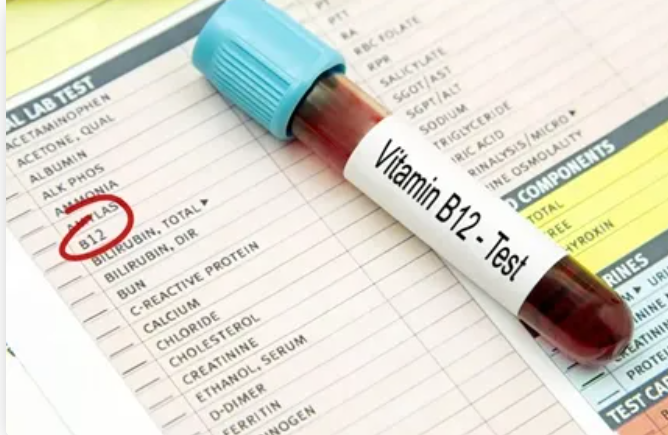
Blood tests help measure how organs are working, whether your pet has inflammation, and whether red and white blood cells are in a healthy range. Cornell’s overview of clinical pathology testing shows how these lab tools help veterinarians evaluate disease processes that are not visible from the outside.
The hard part for pet owners is that waiting for “clear signs” often means waiting too long. A cat with early kidney disease may only drink a little more water than usual. A dog with diabetes may seem hungrier, thirstier, and a bit tired, nothing dramatic at first. When routine diagnostics pick up those changes early, treatment can start before a crisis sends you to an emergency hospital.
Routine veterinary screening reduces the cost and stress of crisis care
No one wants to hear that a pet is sick, but hearing it during a planned visit is very different from hearing it after an emergency. When disease goes unnoticed, it tends to show up all at once. A urinary issue becomes a painful blockage. Mild dehydration from kidney trouble becomes a dangerous decline. An untreated infection spreads and weakens the whole body.
That is where routine veterinary screening can change the path. Regular bloodwork and urinalysis give your veterinarian a baseline. If a value shifts, even a little, there is something real to compare it to. That helps your veterinarian decide whether your pet needs monitoring, diet changes, medication, more imaging, or urgent treatment.
Urinalysis is a good example. It can reveal infection, crystals, glucose, kidney changes, and hydration issues that would be easy to miss at home. Cornell’s guide to urinalysis interpretation explains how much useful information can come from one sample. That one test can be the difference between catching a manageable issue and facing a painful emergency later.
General veterinarian testing supports safer, more accurate treatment decisions
Treatment works better when it is based on evidence. If your pet loses weight, vomits, drinks more water, or seems tired, several different problems could be causing it. Starting treatment without diagnostics can waste time and sometimes make things worse. Steroids, antibiotics, pain medicine, or diet changes all have a place, but they should match the actual problem.
General veterinarian care is not just about annual vaccines and quick exams. It also includes the testing that helps rule in or rule out major conditions. A veterinarian may find that your dog’s fatigue is anemia, not age. Your cat’s poor appetite may be linked to kidney values, not pickiness. Your senior pet may need medication adjustments based on lab trends, not just visible symptoms.
This is one of the strongest reasons pet diagnostics save lives. They guide treatment early, and they help avoid the delay that happens when everyone is trying to “watch and wait” through a problem that is already moving forward.
Routine diagnostics versus delayed testing changes what happens next
| Situation | Routine Diagnostics | Delayed Testing |
|---|---|---|
| Early kidney disease | Found through bloodwork or urinalysis before major decline, allowing diet and treatment changes sooner | Often discovered after weight loss, dehydration, vomiting, or weakness appear |
| Diabetes | Glucose changes may be caught before a severe crisis develops | May first show up as lethargy, marked thirst, accidents, or emergency illness |
| Urinary problems | Urinalysis may identify infection, crystals, or abnormal concentration early | Can progress to pain, house soiling, blockage, or urgent hospitalization |
| Treatment planning | Medication and follow up are based on measured results and trends | Care may rely on symptoms alone, which can delay the right treatment |
| Cost over time | Planned testing often helps avoid larger emergency bills | Advanced illness usually needs more intensive and more expensive care |
Small steps now can protect your pet from bigger problems later
Schedule routine lab work based on age and risk. Puppies and kittens need different care than senior pets, and breed, health history, and current symptoms all matter. Ask your general veterinarian how often your pet should have bloodwork and urinalysis, especially if your pet is older or takes long term medication.
Track small changes at home. Water intake, appetite, energy, weight, bathroom habits, and vomiting episodes all give context to test results. You do not need a perfect spreadsheet. A few notes on your phone can help your veterinarian spot patterns faster.
Do not wait for dramatic symptoms. If your pet seems “a little off” for more than a day or two, or if thirst, urination, appetite, or energy changes suddenly, book an exam. Early testing is often simpler and less stressful than emergency treatment after a sudden crash.
Your concern is not overreacting. Most pet owners who catch illness early do it because they paid attention to subtle changes and followed through with testing before things got worse. Routine diagnostics give your veterinarian a clearer picture, your pet a better chance at early care, and you more control in a situation that can otherwise feel scary and fast. If your pet is due for a checkup, schedule a visit with a general veterinarian and ask what screening tests make sense right now.