Complete Guide to Selecting the Right Rifle Ammunition
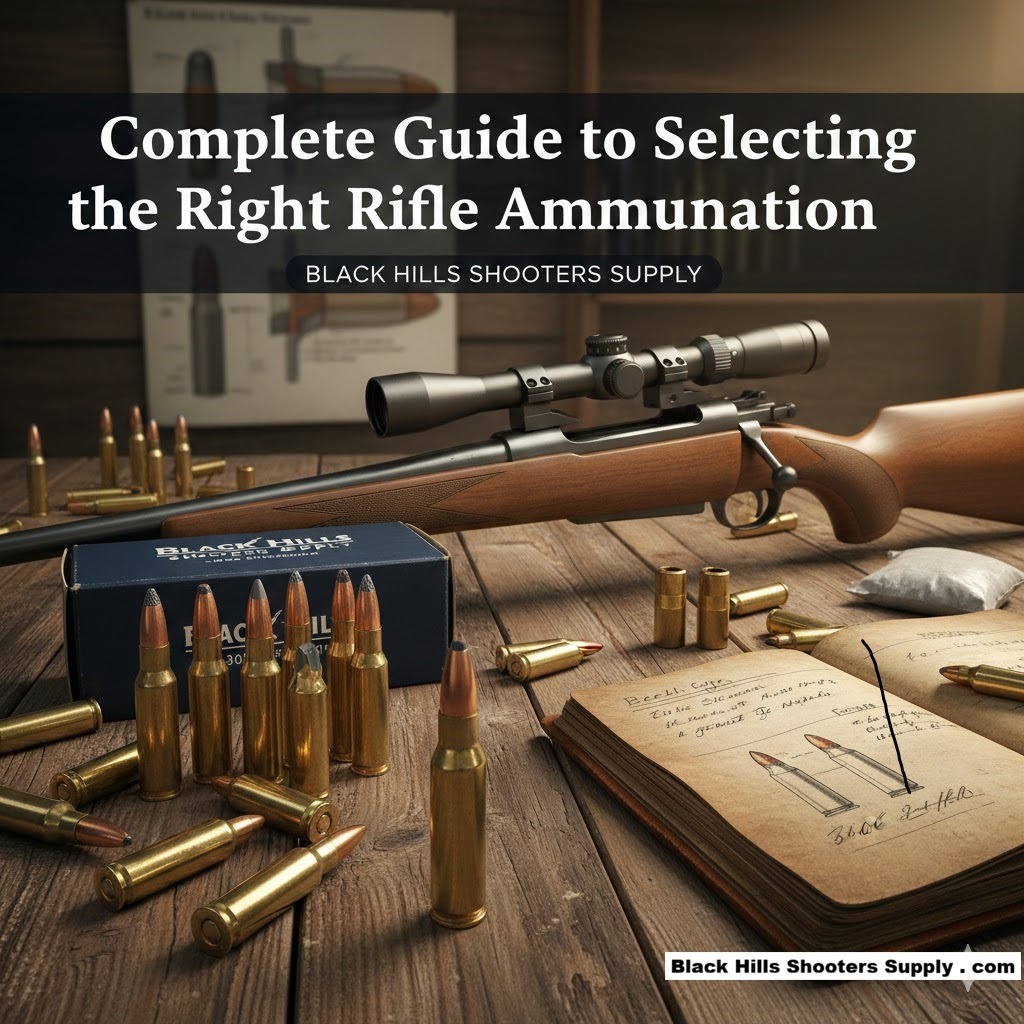
Choosing the right ammunition can make or break your shooting experience, whether you’re hunting big game or practicing at the range. With countless options available, understanding what works best for your rifle and purpose is essential. If you’re looking for reliable options, 30-06 ammo for sale at Black Hills Shooters Supply offers excellent performance for various applications.
How Rifle Ammunition Works: The Fundamentals
Rifle ammunition consists of four main components that work together to propel a bullet accurately downrange. The cartridge includes a brass casing, primer, gunpowder, and the projectile itself. When the firing pin strikes the primer, it ignites the powder charge inside the casing. This controlled explosion creates expanding gases that push the bullet through the barrel at high velocity.
The rifling inside your barrel puts a spin on the bullet as it travels through, which stabilizes its flight path and improves accuracy. Different calibers produce varying levels of pressure, velocity, and energy depending on the powder charge and bullet weight. Understanding this basic mechanism helps you appreciate why certain ammunition performs better in specific situations.
The relationship between barrel length, twist rate, and bullet design affects how well your rifle shoots. A longer barrel typically generates higher velocities because the expanding gases have more time to push the bullet. The twist rate determines how fast the bullet spins, which matters more for heavier projectiles that need extra stabilization.
Key Factors in Ammunition Selection
Bullet weight measured in grains is one of the most critical considerations when selecting ammunition. Lighter bullets travel faster and produce flatter trajectories, making them ideal for long-range shooting where you need minimal bullet drop. Heavier bullets carry more energy and penetrate deeper, which is crucial when hunting large game animals like elk or bear.
The bullet design matters just as much as its weight. Soft point bullets expand on impact, creating larger wound channels for ethical kills on game animals. Ballistic tip designs combine the aerodynamics of pointed bullets with controlled expansion. Full metal jacket rounds are typically reserved for target practice since they don’t expand and pass through targets cleanly.
Your rifle’s twist rate and barrel length will favor certain bullet weights over others. Check your rifle’s specifications to understand what grain weights shoot most accurately. Most manufacturers provide recommendations, but testing different loads at the range will reveal what your specific rifle prefers. Price per round also becomes important if you shoot frequently, as costs add up quickly during practice sessions.
Rifle Ammo Storage and Maintenance Best Practices
Proper storage extends the life of your ammunition and ensures reliable performance when you need it most. Store cartridges in a cool, dry location away from direct sunlight and temperature extremes. Humidity is the enemy of ammunition because moisture can degrade powder and corrode brass casings over time. A climate-controlled environment works best, but a simple sealed ammo can with desiccant packs provides adequate protection.
Avoid storing ammunition directly on concrete floors, as they can transfer moisture to the cartridges. Keep boxes elevated on wooden or metal shelving units. Original packaging works well for storage since it protects the rounds from physical damage and keeps them organized by caliber and bullet type. Never store ammunition near solvents, oils, or cleaning chemicals that could contaminate the rounds.
Inspect your ammunition regularly for signs of corrosion, dents, or discoloration. Green or white residue on brass casings indicates oxidation and those rounds should be discarded. Check that bullets haven’t been pushed deeper into the casing, which can happen during rough handling. Rotate your stock by using older ammunition first while keeping newer purchases as backup. Quality ammunition stored properly can remain functional for decades, but it’s wise to test older stock before relying on it for important hunts.
Choosing Ammo for Hunting vs. Target Shooting
Hunting ammunition requires different characteristics than rounds designed for target shooting. When pursuing game, you need bullets that expand reliably to create quick, humane kills. Controlled expansion bullets retain enough weight to penetrate through hide, muscle, and bone while transferring maximum energy to vital organs. Premium hunting rounds cost more but deliver consistent performance when it matters most.
Target shooting emphasizes accuracy and cost-effectiveness over terminal performance. Full metal jacket bullets work perfectly for practice since they’re less expensive and produce consistent groups. Match-grade ammunition takes accuracy to another level with tighter manufacturing tolerances and premium components. Competitive shooters often handload their ammunition to achieve the absolute best precision their rifles can deliver.
The distance you’ll be shooting also influences ammunition choice. Varmint hunters taking long shots need flat-shooting, lightweight bullets that minimize holdover. Deer hunters in thick woods might prefer heavier rounds that buck wind and brush better at shorter ranges. If you’re searching for versatile options that handle both practice and hunting, 30 06 ammo provides an excellent balance of power and accuracy for multiple shooting scenarios.
Your Path to the Perfect Ammunition
Start by clearly defining your primary shooting purpose and the game you intend to hunt. Research what experienced hunters in your area recommend for local conditions and animal species. Buy small quantities of several different loads and test them at the range to see which groups best in your specific rifle. Every firearm has unique preferences, and what shoots well in someone else’s gun might not perform identically in yours.
Keep detailed notes about each ammunition type you test, including group sizes, point of impact, and any feeding or extraction issues. This information becomes invaluable when you need to restock or switch loads. Don’t assume the most expensive ammunition will automatically shoot best. Sometimes mid-priced options deliver excellent accuracy that rivals premium offerings.
Build a relationship with knowledgeable staff at Black Hills Shooters Supply who can guide you based on their experience and customer feedback. They understand what works well in different rifles and can save you time and money by pointing you toward proven performers. Once you find ammunition your rifle loves, buy enough to last through hunting season so you’re not scrambling at the last minute. Consistent practice with your chosen load builds confidence and muscle memory that translates to success in the field.