Winter-Proof Your Home with Better Thermal Comfort
Primary KW: interior designing cost for 2bhk
Secondary KW: interior design cost calculator
Winter-Proof Your Home: Interior Changes for Better Thermal Comfort
Summary
In winter, comfort is determined by how well a home keeps heat, stops draughts and utilises natural light. Simple interior measures such as heavier curtains, insulated window coverings, warm floors and rightly arranged furniture will increase the comfort of rooms without any serious renovation. People living in cities like Bengaluru, Mumbai and other chillier locations in India can implement these ideas according to their local climate, budget and daily routines.
Introduction
A home can look inviting yet feel uncomfortably cold when winter arrives. Chilly floor tiles, draughts around windows and rooms that lose warmth after sunset can affect everyday comfort. Experienced interior designers approach this problem by examining how a home handles heat, airflow and sunlight before recommending decorative changes.
For Indian homeowners, winter-proofing does not necessarily mean installing expensive heating systems. Often, a few carefully chosen materials and practical adjustments can make living spaces noticeably more comfortable.
How Can Windows and Curtains Help Retain Warmth?
Winter-proofing is most effective when changes are made to fix real problems, not according to a set shopping list. The indicative costs below will allow homeowners to decide which small improvements should be made first.
A few practical changes can help:
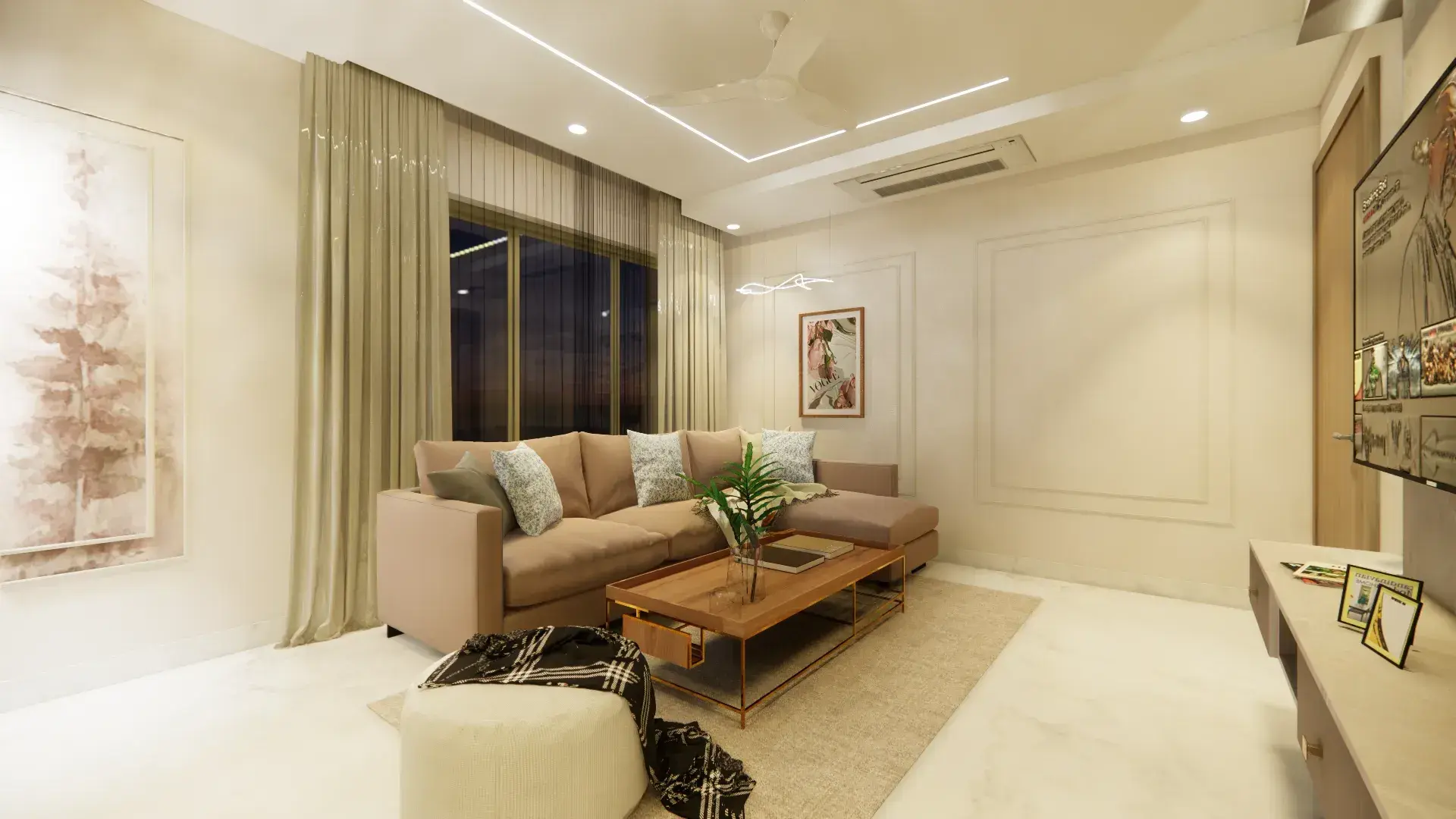
- Choose heavier curtains: Heat-resistant or heavy, tightly woven curtains offer an extra layer of protection around windows. Floor-length curtains may also help to minimise the chill effect around the window frame.
- Seal unwanted gaps: Weatherstripping around the movable windows will reduce draughts. Spaces around balcony doors need to be considered, especially in high-rise buildings.
- Use sunlight wisely: Curtains can remain open during sunny winter afternoons to admit natural warmth. Closing them after sunset helps create a more sheltered indoor environment.
In Bangalore, where winter evenings might get chilly despite pleasant daytime weather conditions, this simple practice may come in handy. In Mumbai, where the climate is relatively mild, it is draught protection and comfortable fabrics that count rather than the insulation of your home.
What Flooring and Fabrics Make Rooms Feel Warmer?
Hard flooring can feel particularly cold underfoot during winter mornings. Replacing it is rarely necessary. Area rugs, runners and softer furnishings can improve comfort without altering the existing floor.
Bedrooms require rugs next to the bed, while living rooms become more comfortable with rugs underneath the coffee table and furniture arrangement. Fabrics like wool and tightly woven fibres are much more comforting underfoot than exposed tiles.
Upholstery also influences perceived comfort. Cotton-blend throws, textured cushion covers and fabric-covered headboards introduce softness where people spend time sitting or resting. These decoration ideas work particularly well in homes with marble or vitrified tile flooring.
Nevertheless, thick materials need cleaning on a regular basis, particularly in humid coastal homes. The residents of Mumbai should go for cleanable upholstery and refrain from leaving their rugs wet after cleaning. Comfort should not be at the cost of cleanliness.
How Should Furniture and Lighting Change During Winter?
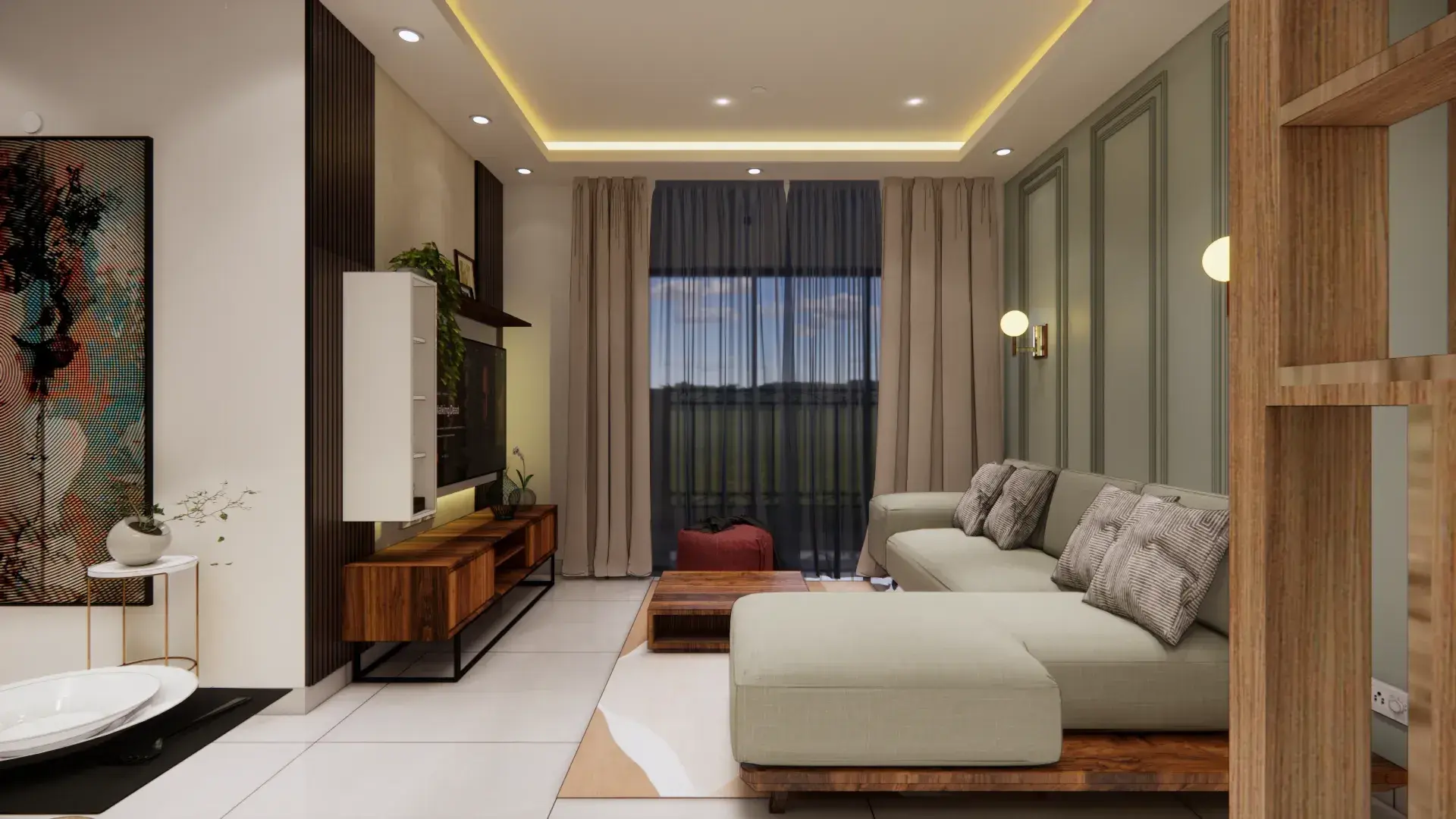
Furniture placement can make a room feel either exposed or sheltered. A sofa positioned directly beside a draughty balcony door may be less comfortable than one placed against an internal wall. Moving seating away from cold window surfaces can improve the experience without changing the room’s overall design.
Layering of lights also plays an important role in creating the ambience. Warm white lights in reading chairs and nightstands make for a more mellow atmosphere as opposed to harsh overhead lights. Lights cannot really substitute for insulation or heat up a room, but they do add to the overall ambience.
Homeowners exploring 2 BHK flat decoration ideas can combine a compact rug, layered lighting and heavier curtains rather than filling a smaller room with bulky furniture. The result is a more comfortable layout that still leaves enough space to move around.
What Interior Changes Fit Different Budgets?
Winter-proofing works best when improvements address actual discomfort rather than follow a fixed shopping list. The following indicative costs can help homeowners prioritise smaller upgrades. Actual prices vary by material, dimensions, installation and city.
|
Improvement |
Indicative Cost |
Main Benefit |
|---|---|---|
|
Draught-sealing strips |
₹300–₹1,500 |
Reduces unwanted air movement |
|
Rugs and runners |
₹1,500–₹8,000 |
Makes floors more comfortable |
|
Thicker curtains |
₹2,000–₹10,000 per window |
Adds a barrier near windows |
|
Cushion covers and throws |
₹800–₹3,000 |
Improves softness and comfort |
|
Window-sealing improvements |
₹1,000–₹5,000 |
Helps address gaps around frames |
For bigger projects, the interior designing cost for 2 BHK homes will depend on how extensive the project is, existing finishes, materials, and whether customised furniture or windows need any improvements. A complete renovation is not always essential; sometimes just selective improvements might do for the places where you feel most uncomfortable.
How Can Personalised Design Improve Winter Comfort?
An effective winter-proofed home is a reflection of those living within it. Families with young children will require softer surfaces for play, whereas older individuals can be provided with safer carpets, uncluttered pathways, and comfy seating arrangements. It is also important for pet owners to have tough yet easy-to-clean materials in their homes.
This is where Bonito Designs’ Life Design philosophy comes into play. It looks at daily rhythms, family-first planning, senior-safe comfort and pet-friendly living for its personalised take on complete home interiors. Thoughtful design can meet these functional requirements, and integrate them with a sophisticated aesthetic and celebrity-inspired design sense, without making appearance the sole priority.
For homeowners planning broader changes, an interior design cost calculator can help estimate expenses before selecting materials or committing to a renovation. Comparing priorities against an available budget makes it easier to distinguish essential thermal improvements from optional decorative purchases.
Conclusion
Making your house ready for the winter season does not necessarily mean having to completely change the interior. Properly designed window coverings, right floor coverings, and proper positioning of furniture and fabrics would be enough to deal with most of the usual inconveniences.
The most appropriate modifications will be determined by the local weather conditions and the use of the individual rooms. By recognising the cold areas first, then making targeted renovations, you can create a house interior that remains functional during the cold season.
FAQs
1. Which curtains are suitable for winter?
Thick, dense curtains that are thermal-lined can help keep heat from escaping through windows and make rooms feel more protected.
2. Do rugs help during winter?
Absolutely. Rugs make for a more comfortable surface to walk on since they offer more warmth than stone or tile floors do.
3. Should windows remain closed throughout winter?
Windows should be closed when draughts cause discomfort, but rooms still need suitable ventilation to maintain indoor air quality.
4. Can small flats be winter-proofed affordably?
Yes. Draught seals, thicker curtains, compact rugs and soft furnishings can improve comfort without requiring extensive renovation or major structural changes.