Why Online Private Schools Are the Future of Education for Grades 6–12
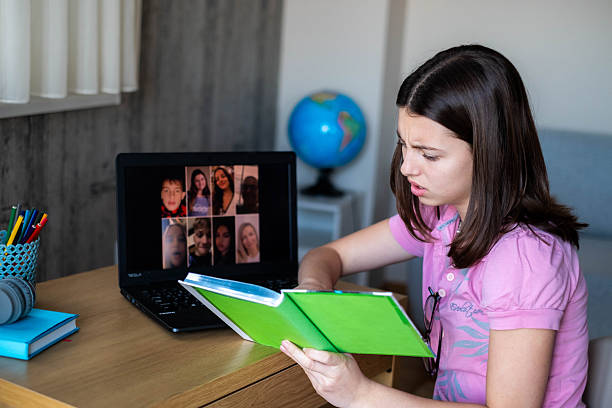
Education for students in Grades 6–12 is undergoing a fundamental shift driven by changing academic expectations family needs and technological capability. Parents are no longer selecting schools solely based on geography or tradition but are instead evaluating outcomes structure and long-term readiness. A well-designed Online Private School offers a model that balances academic discipline with modern flexibility while maintaining accountability. For middle and high school students, this approach aligns more closely with how they learn develop independence and prepare for higher education or professional pathways. As educational priorities evolve online, private schooling is increasingly viewed as a forward-looking standard rather than an alternative.
What Defines an Online Private School
An online private school is a fully structured academic institution that delivers formal education through digital platforms rather than physical campuses. Unlike informal learning portals or supplemental programs, it operates with defined governance academic leadership and curriculum oversight. Students are enrolled in grade-specific programs, follow a school calendar and are evaluated using consistent academic benchmarks.
What truly defines this model is its commitment to standards. Coursework is planned sequenced and assessed in a way that mirrors or improves upon traditional private schooling. Teachers are qualified professionals who guide instruction monitor progress and provide feedback. This ensures that learning is not self-directed in isolation but supported by an institution that takes responsibility for academic quality and student development.
How Online Learning Supports Grades 6–12
The middle and high school years represent a transitional stage where students move from guided learning toward independent academic responsibility. Online learning environments are particularly effective during this phase because they encourage ownership of learning while maintaining structured support. Students learn to manage schedules complete assignments independently and engage with teachers in a more intentional way.
Digital classrooms allow lessons to be delivered with clarity and focus. Concepts can be revisited through recorded sessions which reinforces understanding and reduces anxiety around missed material. For Grades 6–12 online education also promotes digital literacy communication skills and self-discipline, which are essential for future academic and professional success. These skills are developed organically within the learning environment rather than taught as separate competencies.
Academic Structure and Curriculum Standards
A credible online private school is built on a clearly defined academic framework. Subjects are aligned across grade levels to ensure continuity and progression rather than fragmented instruction. Learning objectives are mapped carefully so that students build knowledge systematically year after year.
Assessment is treated as an ongoing process rather than a one-time measurement. Regular evaluations provide insight into student understanding and allow teachers to adjust instruction accordingly. This structured approach ensures that a private school online environment remains rigorous measurable and aligned with recognized educational expectations. Academic standards are not diluted by the online format but reinforced through consistency and transparency.
Teacher Support and Student Engagement
Effective online education depends heavily on teacher involvement. In a high-quality online private school, teachers are active participants rather than distant facilitators. Live instruction guided discussions and consistent communication form the foundation of student engagement.
Teachers maintain visibility through regular interaction and timely feedback. Students know where to seek help and feel supported in asking questions or clarifying concepts. Engagement is sustained through purposeful assignments and monitored progress rather than passive content consumption. This approach helps students remain connected motivated and accountable throughout their academic journey.
Flexibility and Personalized Learning
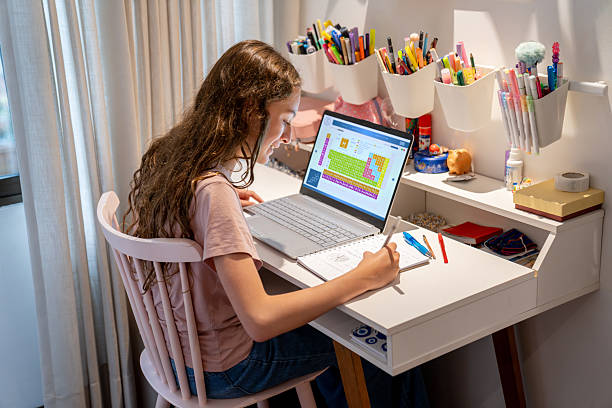
Flexibility is often cited as the primary benefit of online education but its true value lies in how it supports personalized learning. Online private schools offer structured schedules while allowing families to manage time more effectively. Students can focus on academics without the inefficiencies of commuting or rigid daily routines.
Personalized learning emerges through adaptive pacing and targeted support. Teachers can identify strengths and challenges early and respond with appropriate resources or interventions. For students in Grades 6–12 this adaptability is critical as academic demands increase and individual learning profiles become more distinct. A virtual school environment supports growth without forcing uniform progression.
Why Families Are Moving Away From Traditional Schools
Many families reassess traditional schooling due to overcrowded classrooms limited individual attention and rigid institutional structures. As students progress into higher grades, these challenges can become more pronounced. Parents seek environments where learning time is maximized and student needs are addressed directly.
A private school online model offers clarity and consistency. Learning occurs in a focused setting with defined expectations and reduced distractions. Families gain greater visibility into curriculum progress assessments and teacher feedback, which strengthens trust. This transparency is often difficult to achieve in conventional school systems and is a key reason families explore online alternatives.
How Score Academy Supports Online Private Education
Score Academy approaches online private education with a focus on academic integrity structured delivery and student growth. Programs are designed specifically for Grades 6–12 ensuring alignment with developmental and academic requirements. Curriculum planning reflects long-term progression rather than isolated coursework.
Teachers provide consistent instruction and oversight supported by integrated digital systems that track performance and engagement. Families remain informed and involved without needing to manage daily instruction. This model demonstrates how an online school can preserve the core values of private education while adapting to modern learning realities.
Final Thoughts
Education for Grades 6–12 must prepare students for complexity independence and future academic demands. Online private schools offer a model that combines structure accountability and flexibility in a way traditional systems often struggle to achieve. As learning environments continue to evolve, the role of the virtual school becomes increasingly central. This shift reflects a thoughtful response to changing educational needs rather than a departure from academic standards.