Beginner to Pro in 2026: Essential Bj66 Online Gaming Tips for New Players
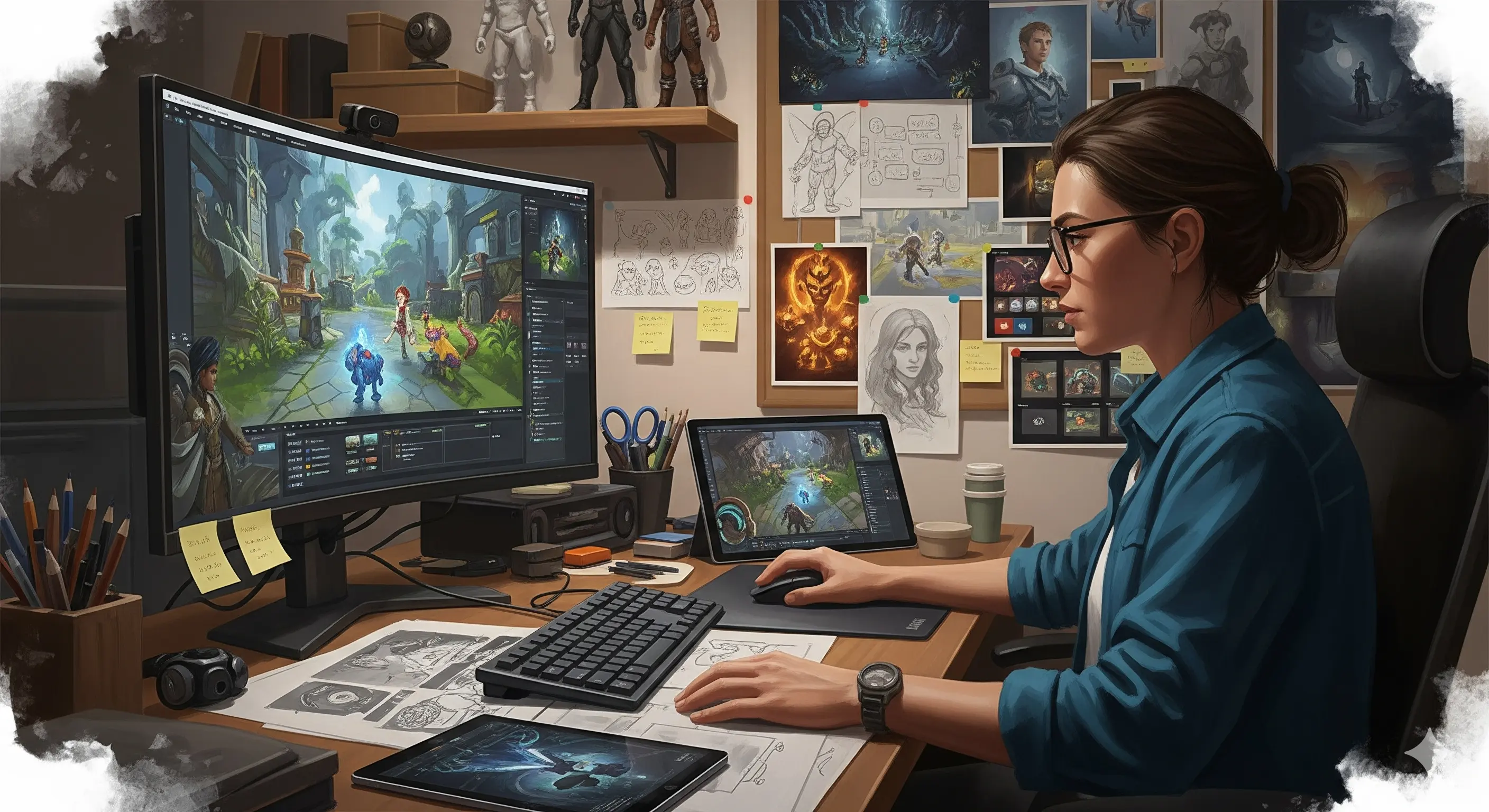
Getting started with online gaming in 2026 can feel overwhelming—especially with new platforms, features, and game modes appearing all the time. The good news is that with the right mindset and a clear strategy, you can move from total beginner to confident, competitive player much faster than you might think.
This guide walks you through that journey step by step: from setting up safely and understanding the basics, to sharpening advanced skills and building a long‑term winning routine.
Understanding the Online Gaming Landscape in 2026
Online gaming in 2026 is more advanced and interconnected than ever. Platforms now integrate:
– Cross‑platform play (PC, mobile, console) – Real‑time voice and text chat – Built‑in tournaments and ranked ladders – Skins, cosmetics, and battle passes – Esports‑style leaderboards and events
For a new player, the key is not to try everything at once. Focus on:
– One primary game: Your “main” game where you invest most of your time. – One platform: PC, mobile, or console—whichever you’re most comfortable with. – One role or playstyle: Aggressive, defensive, support, strategist, etc.
By narrowing your focus early, you’ll avoid burnout and see faster, more noticeable improvement.
Setting Up Your Account the Smart Way
Before playing your first real match, set up your account with both performance and security in mind.
Secure Your Profile
– Use a strong, unique password and enable two‑factor authentication. – Avoid sharing your login details, even with friends. – Turn on login alerts, if available, to spot suspicious activity.
Optimize Basic Settings
Many beginners stick with default settings and unknowingly handicap themselves.
– Controls: Customize sensitivity, keybinds, and button layout to feel natural. Start with moderate sensitivity; adjust slowly over time. – Graphics: Choose stable performance over flashy visuals. Aim for higher frame rates instead of ultra graphics. – Audio: Turn down music and turn up sound effects so you can clearly hear footsteps, ability cues, and in‑game alerts.
Spending 10–15 minutes adjusting these before serious play can instantly raise your comfort and reaction times.
Learning Game Fundamentals
Every game is different, but core principles apply across genres.
Master the Rules and Objectives
Don’t rush into “ranked” or competitive modes until you understand:
– How you win each match (points, elimination, objectives, time limits) – What actions give you the most value (capturing zones, assisting allies, farming resources) – How penalties work (friendly fire, disconnects, surrender rules)
Read the in‑game tutorials, watch short beginner guides, and play a few practice matches or bot games. This early effort prevents frustration and needless losses later.
Grasp Core Mechanics
Focus on:
– Movement: Strafing, jumping, dodging, sprinting, taking cover. – Aiming/Targeting: Practice tracking moving targets and flicking to new ones. – Resource Management: Health, mana/energy, ammo, cooldowns, currency. – Positioning: Staying in safe, advantageous spots instead of running into the open.
Pick one mechanic at a time and intentionally practice it for several matches. Deliberate focus beats random play.
Building Strong Gameplay Habits
Habits separate casual beginners from consistent winners Bj66.
Start Each Session with a Warm‑Up
Even five minutes helps:
– For shooters: Aim trainers, target practice maps, or bot matches. – For strategy games: Quick skirmishes vs AI to warm up decision‑making. – For MOBAs and team games: Custom games to practice last‑hitting, combos, or rotations.
A short warm‑up reduces “cold start” mistakes and puts you in a focused mindset.
Track Your Performance
Don’t obsess over win rate alone. Pay attention to:
– Deaths or mistakes per game – Objective contribution (captures, assists, healing) – Accuracy or resource efficiency – Whether you’re losing to the same mistake repeatedly
Write down one specific improvement goal per session, like “Die fewer than five times per game” or “Never fight without backup.”
Mastering In‑Game Economy and Progression
Most modern games include some form of in‑game economy: coins, points, skins, levels, or unlock systems.
Free vs Paid Progression
As a new player:
– Focus on free progression first: daily quests, events, and achievements. – Spend real money, if at all, only on cosmetics or battle passes you truly value. – Avoid impulse spending on loot boxes or random packs.
Your skill matters far more than cosmetic items. Invest your time in learning rather than chasing paid advantages.
Smart Resource Use
– Save premium currency for long‑term benefits (permanent unlocks) rather than short boosts. – Learn which items, weapons, or characters stay strong over time. – Avoid switching gear or characters every match; stick to a stable “core setup” while you improve your fundamentals.
Developing Game Sense and Strategy
Game sense is your ability to predict situations before they happen. This is what separates average players from pros.
Learn to Read the Game
Ask yourself during matches:
– Where is the enemy likely to attack next? – What objectives are most important right now? – Is my team grouped or split? – Who has the advantage in this fight—us or them?
The more you ask these questions, the faster your brain will start answering them automatically.
Study Replays and Better Players Link vào Bj66
If your game offers replay systems, use them:
– Rewatch your losses and spot critical moments where you could have played differently. – Observe how higher‑ranked players move, position, and manage resources. – Compare your decisions with what they do in the same situation.
Don’t copy everything blindly; instead, understand why they make certain choices and adapt those principles to your own playstyle.
Communication and Teamplay
In 2026, most competitive games are highly team‑oriented. Even solo‑queue modes benefit from clear communication.
Use Voice and Pings Effectively
– Keep callouts short and factual: “Two left side,” “Objective in 10 seconds,” “No ultimate.” – Avoid blame and insults—they tilt your team and reduce your chance of winning. – Use pings for quick alerts if you don’t want to use voice chat.
Aim to be the calmest person on your team. A stable mindset is a real competitive edge.
Understand Your Role
Whether you play tank, support, damage, or strategist:
– Know your primary job in each phase of the game (early, mid, late). – Play around your team’s strengths—don’t chase solo plays that endanger the group. – Protect your win conditions: the players or strategies that are carrying your match.
Good teammates are often remembered and added as friends, creating a growing network of people you can queue with in future sessions.
Managing Time, Tilt, and Mental Game
Becoming “pro” is not just about mechanics—it’s about sustainability.
Create a Healthy Routine
– Set a fixed daily or weekly playtime. – Take a 5–10 minute break every hour. – Mix serious ranked play with casual or practice modes.
A clear boundary between “training” and “just for fun” keeps the game enjoyable long‑term.
Handle Tilt Early
Tilt (emotional frustration) destroys decision‑making. When you notice:
– Rapid losses in a row – Irritation at teammates – Impulsive, reckless plays
Pause. Stand up, stretch, drink water, or switch to a low‑stress mode. Only return to ranked when you feel calm again.
Leveling Up from Intermediate to Advanced
Once you’ve grasped the basics and feel comfortable in standard matches, it’s time to push further.
Specialize
– Choose a small pool of characters, weapons, or roles and master them deeply. – Learn advanced combos, timings, and matchup specifics. – Understand counters: what beats your favorite picks and how to adapt.
Specialization lets you climb faster because you face fewer unfamiliar situations.
Join Communities and Events
Look for:
– In‑game clans or guilds – Discord communities for your game – Amateur leagues, tournaments, or ladders
Playing with the same group regularly accelerates your learning and gives you access to feedback and team strategies you won’t get in random lobbies.
Technical Optimization for 2026
Modern online gaming benefits heavily from a stable technical setup.
Improve Your Connection
– Use wired Ethernet instead of Wi‑Fi when possible. – Close background downloads and streaming before important matches. – Choose servers with the lowest ping.
Even a small reduction in lag can feel like a huge improvement to your responsiveness.
Tune Your Hardware
You don’t need top‑tier gear, but:
– A stable 60+ FPS is more important than ultra graphics. – A comfortable mouse/controller and headset improve reaction and awareness. – Proper lighting and seating reduce fatigue in long sessions.
Treat your setup like an athlete treats equipment—reliable, not necessarily flashy.