How to Choose Dining Room Sets That Make Guests Want to Stay
A dining room is one of the few places in a home where people deliberately slow down. Meals stretch into long conversations, coffee turns into dessert, and someone always lingers at the table after the plates are cleared. Yet many dining rooms are furnished almost as an afterthought: a table pushed against a wall, chairs chosen for looks alone, lighting that flatters nobody. The result is a space that works for eating but rarely invites anyone to stay.
Choosing well starts before you open a single product page. It starts with an honest look at the room, the people who use it, and the kind of gatherings you actually host. The right set is not the largest one you can fit or the trendiest one in a catalog, but the one that quietly supports everyday breakfasts and holiday dinners alike. This guide walks through that decision from beginning to end, so the table you bring home earns its place for years.
Start With the Room, Not the Table
Most people shop for a table first and measure later, which is exactly backwards. A set that looks generous in a showroom can overwhelm a narrow dining area, while a small table in a large room feels like something borrowed from a waiting room. Before you browse any dining room sets, spend twenty quiet minutes with the space itself and write down what it can genuinely accommodate.
Measure the Space That Has to Stay Empty
The tabletop is only part of the footprint. Chairs need room to pull out, and guests need room to walk behind them without asking anyone to lean forward. As a working rule, allow roughly thirty-six inches behind each occupied chair and closer to forty-eight inches along main walking routes. Also note the width of doorways and stair turns, since a sturdy table that cannot physically reach the room is a problem no delivery crew can solve.
Map the Traffic Paths
Watch how people actually move through the room. Does the path to the kitchen cut diagonally across the floor? Is there a doorway that constantly swings open? Mark those lines and keep them clear. A round or oval table often eases circulation in tight rooms because it removes sharp corners that catch a hip. In a long, narrow space, a rectangular set placed parallel to the walls will generally feel calmer than one set at an angle.
Match the Set to the Way You Entertain
Think about a normal Tuesday before you think about a holiday. If most meals involve two or three people, an oversized table becomes a daily obstacle; if you host extended family regularly, a cramped table creates its own friction. The sweet spot is a set that handles your everyday life comfortably and expands without drama when the guest list grows.
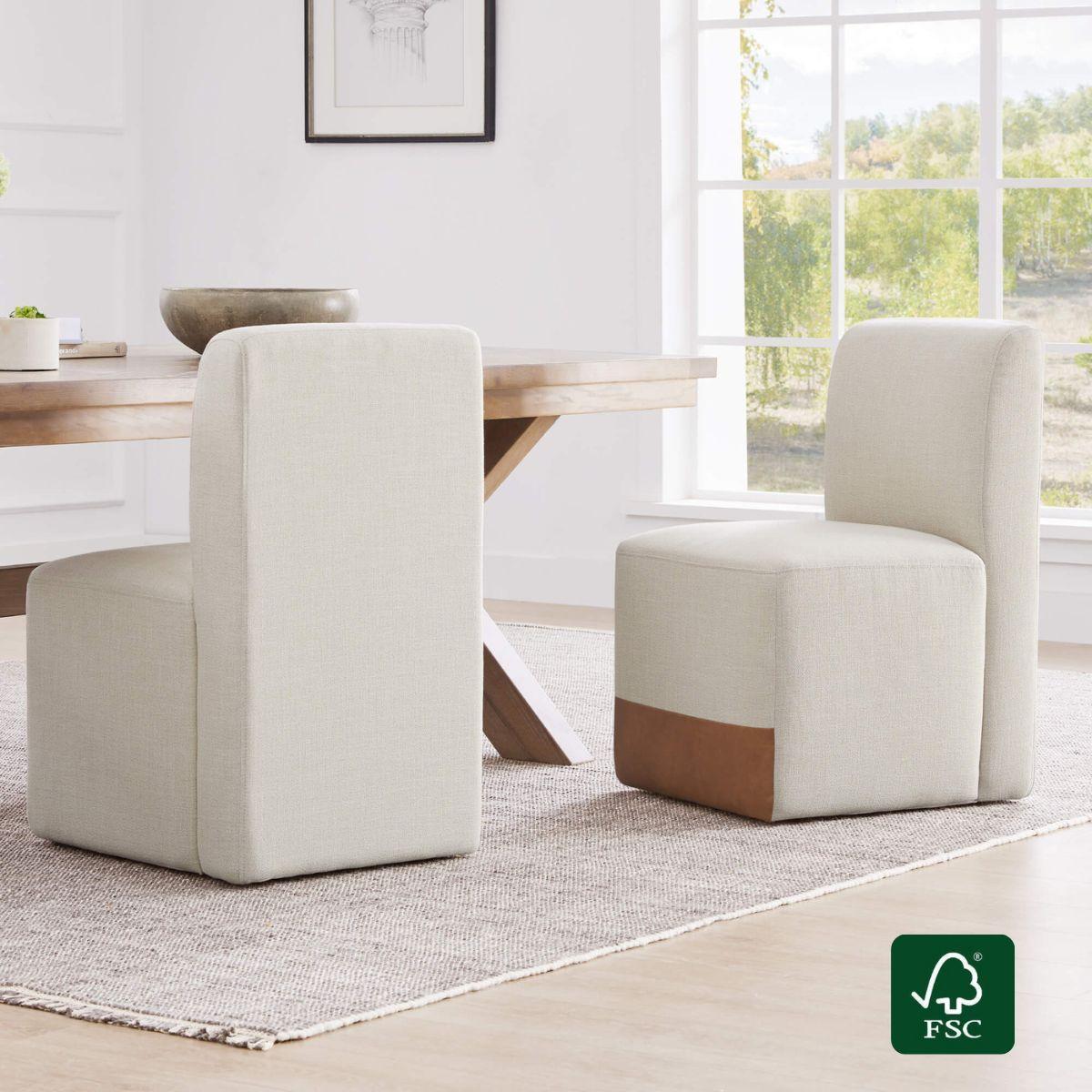
Extendable tables earn their keep in homes that swing between quiet weeknights and crowded celebrations. Look for a leaf mechanism that one person can operate, and check whether the table stores its extra leaf inside the frame so it is not lost in a closet. For seating, consider whether you prefer the tidy symmetry of matching chairs or the flexibility of a bench along one side, which tucks neatly under the table and makes the room feel wider.
Conversation matters as much as capacity. A table wider than about four feet makes it hard to hear the person across from you, and guests end up talking only to their neighbors. If your dining room is where friends gather after dinner, favor proportions that keep everyone within easy speaking distance rather than a surface that simply seats the largest possible number.
Materials and Finishes That Hold Up
A dining set takes more daily punishment than almost any other furniture in the home. Plates land hard, glasses sweat, children lean on edges, and chairs slide back and forth hundreds of times a year. The material story matters less for how it photographs than for how it behaves on a busy Sunday.
Solid wood offers repairability: minor scratches can often be sanded and refinished, and a well-built top can last for decades. Veneered surfaces can be beautiful and stable, but they tolerate moisture less gracefully, so any lifted edge is worth inspecting closely before purchase. For painted finishes, check that the paint is sealed rather than chalky, because unsealed finishes show every fingerprint and ring.
If you choose upholstered chairs, favor fabrics that can be spot-cleaned and seams that are tight and even. Light-colored performance fabric has come a long way, yet a darker or textured weave still hides the everyday wear of meals better. Whatever the finish, add felt pads under every leg from day one. They protect the floor, quiet the room, and cost almost nothing compared with repairing gouges later.
Details That Separate a Good Set From a Great One
Once size and material are settled, the remaining differences live in the details, and they are usually the ones you only notice after a few months. Run a hand along the underside of the tabletop. A smooth, finished edge suggests care in construction; a rough one often hints at shortcuts elsewhere. Lift a chair and set it down. A well-made chair feels solid rather than hollow, with joints that do not shift under a gentle twist.
Check the apron and leg joinery, the alignment of the table leaves, and whether the chairs slide in without scraping. If the set includes a bench, sit on the edge and feel for flex. Small conveniences matter too: a table whose top resists heat rings, chairs with a slight give in the seat, and hardware that does not loosen after a week of use all add up to a set that feels considered.
Seating height is another detail worth testing with your own body. Chairs that sit too low may leave taller guests with knees above the table edge, while chairs that sit too high can make shorter guests feel perched. Sit in a chair and place your hands flat on the tabletop; your forearms should rest comfortably without your shoulders rising. The gap between the seat and the underside of the table should give your legs room to cross, which many people only discover they need after a long meal.
Finally, think about how the set will age with your home. Neutral finishes and clean silhouettes stay relevant through changing paint colors and rugs, while bold shapes can date quickly. Brands such as CHITA LIVING design dining pieces with that long view in mind, pairing straightforward forms with materials that can handle real households. The best set is the one you stop thinking about because it simply works, meal after meal.
Set the Room Around the Table
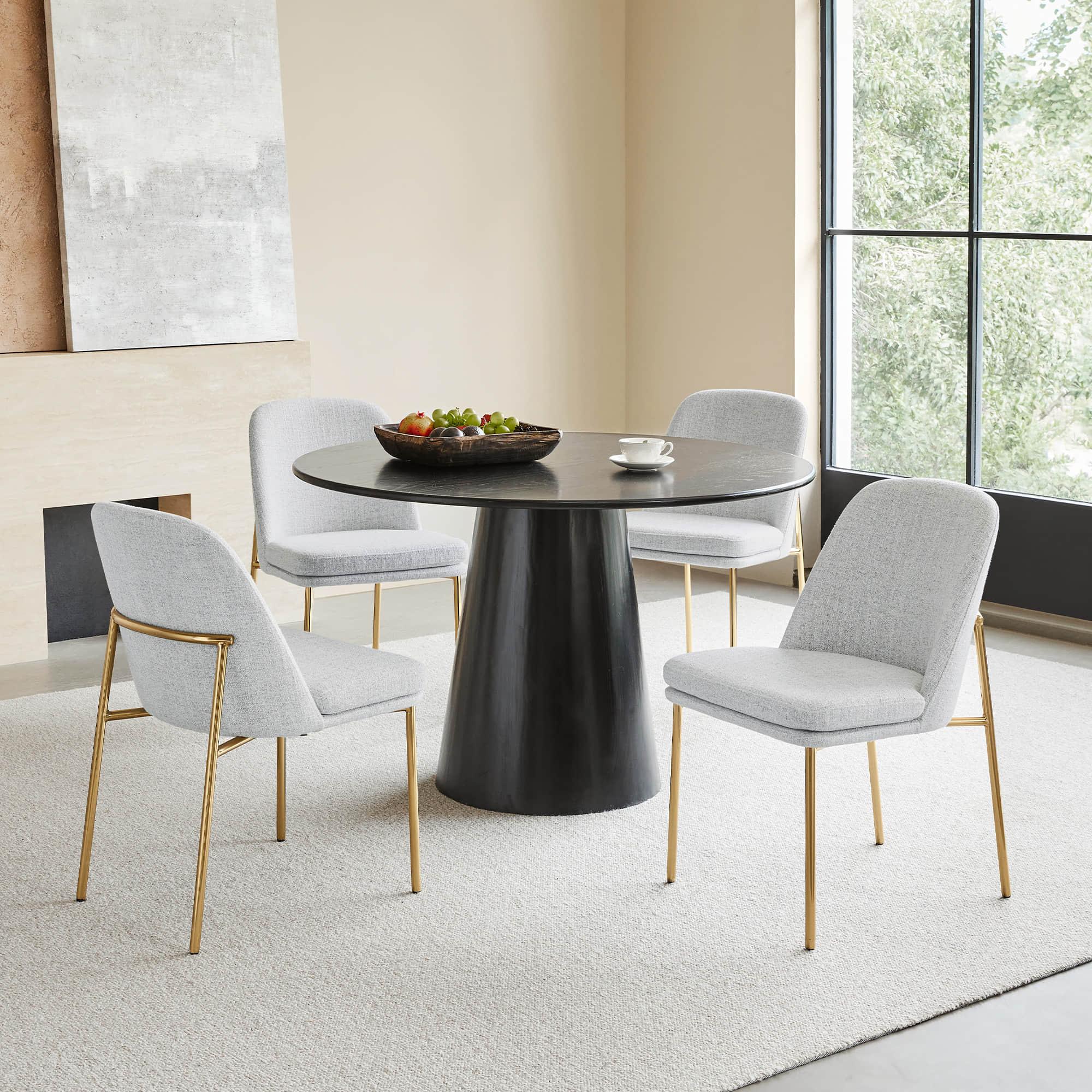
The furniture is only half of the experience. Lighting placed over the table draws people in and flatters food far better than a single ceiling fixture in the middle of the room. A rug that extends comfortably beyond the pulled-out chairs anchors the set and softens sound, which matters in rooms with hard floors. Keep a surface near the table for serving dishes, so nobody has to balance a platter on a chair.
Leave some visual breathing room as well. A dining room crowded with furniture feels formal in the wrong way, like a showroom rather than a home. A sideboard or console with clear space above it, a plant in the corner, and a few pieces of art are usually enough. If the room doubles as a workspace or homework station, choose a set that tolerates laptops and craft supplies, not just a place setting.
Also plan for the moments between meals. A dining table spends most of its life empty, so it should look composed even without a centerpiece. A bowl or a small arrangement of branches is easier to live with than a fragile display that has to be cleared before dinner. Chairs should tuck in neatly enough that the room feels pulled together, and any nearby cabinets should open without hitting a chair back. These small considerations make the space easy to use every day, not just on occasions.
A Table Worth Gathering Around
A dining set is not a decoration; it is the stage for some of the most ordinary and most memorable hours in a home. When the size fits the room, the materials suit real meals, and the details hold up to daily use, the furniture disappears into the background and the gathering takes over. Guests do not notice the joinery or the finish. They notice that they are comfortable, that conversation flows, and that nobody is in a hurry to leave.
That is the standard worth shopping toward. Measure first, watch how the room is used, and choose a set that will still make sense after styles shift and children grow. A thoughtful purchase now means fewer regrets later and many more dinners that stretch well past dessert.