Automatic Cat Litter Boxes: A Hands-Off Path to a Fresher Home
Every cat owner knows the ritual: the scoop, the bag, the faint cloud of dust, and the nagging feeling that the box needs attention again before guests arrive. In many households that ritual repeats twice a day, and it quietly shapes how the whole home smells. Automatic cat litter boxes promise to lift that chore off your hands, but the category is broad enough that the promise can feel vague. Some units simply rake clumps into a drawer on a timer. Others sense when your cat has left and run a full cycle without being asked. The difference matters, because the right unit fits your cat’s habits, your schedule, and the layout of your home.
This guide walks through how these boxes work, which features genuinely help, and how to build a routine that keeps the machine running smoothly. It is written for owners who are tired of the daily scoop but unwilling to gamble on a gadget that frightens their cat or quits within a month. The goal is not a futuristic litter box for its own sake. It is a cleaner floor, a fresher room, and a few quiet minutes back in your day.
Why the Daily Scoop Wears You Down
On paper, scooping takes a couple of minutes. In practice, it anchors your entire day. You wake up early because the box cannot wait, you rush home because you skipped it at lunch, and you cancel plans when a cat sitter falls through. The chore is small but relentless, and its consequences show up fast. A box that goes unattended for even a day starts to smell in a way that drifts through hallways. Clumps stick to the sides, urine pools in corners, and litter tracks across the floor as your cat climbs out.
The behavioral cost is just as real. Cats are fastidious animals, and many will simply stop using a box that feels dirty. They pick a corner of the rug, a laundry pile, or the bathtub instead. Once that habit forms, it takes patience to undo. In multi-cat homes the problem compounds, because one neglected box forces several animals to share a space that already feels crowded. Owners often describe a cycle: the busier the week, the less often they scoop, the worse the box smells, and the more their cats avoid it.
Automation does not eliminate responsibility. Someone still has to empty the waste drawer, top up the litter, and wipe down surfaces. What it removes is the twice-daily interruption, the moment when you are already late and still have to kneel on the floor with a scoop.
How Automatic Cat Litter Boxes Actually Work
Most units on the market follow the same basic logic. A sensor notices when a cat enters and leaves. After a short delay, a motor moves a rake, a rotating drum, or a sifting screen that separates solid waste from clean litter. The clumps drop into a sealed compartment, and the remaining litter is leveled for the next visit. Owners who switch to automatic cat litter boxes usually describe the same surprise: the box does the repetitive part, but the home still needs a human who understands the machine.
That understanding starts with the cycle itself. A well-designed unit waits long enough for a hesitant cat to finish, moves smoothly enough that it does not startle, and stops instantly if something interrupts the motion. A poorly designed one runs on a rigid timer, jams on oversized clumps, or leaves a ridge of dirty litter along the drum.
The Sensing and Raking Cycle
Infrared and weight sensors are the two common approaches. Weight sensors can distinguish a cat from a scoop or a falling toy, which reduces false starts. Infrared beams are simpler but can be tripped by a tail or a curious paw. Either way, the delay setting matters. Too short, and the box cycles while your cat is still deciding where to step. Too long, and the next cat arrives before the previous cycle finishes. Most owners settle on a delay that gives their slowest cat room to leave, then adjust from there.
What Happens Between Cycles
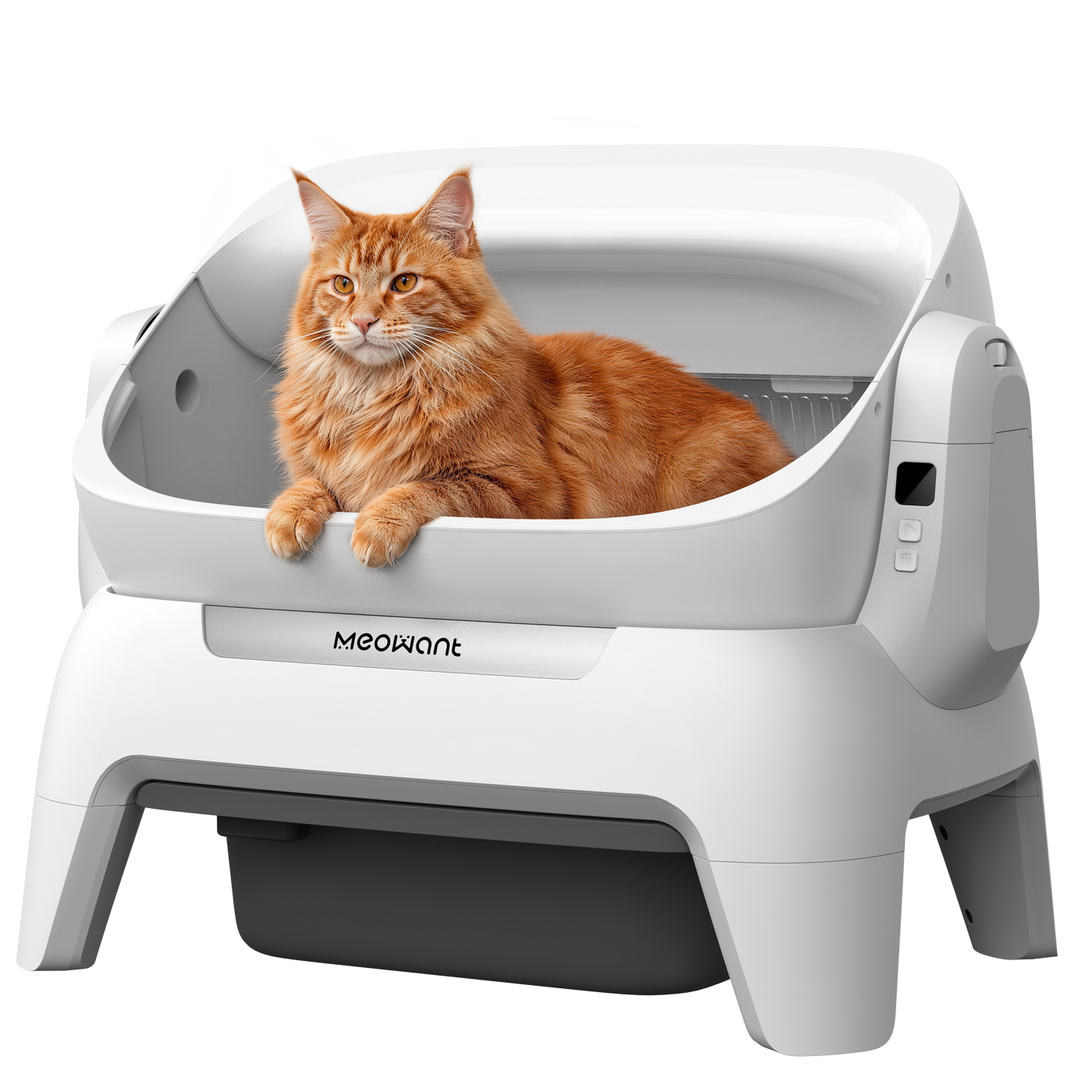
Between cycles, the quality of the seal determines how much odor escapes. A drawer with a tight gasket and a carbon filter keeps smells contained far better than an open tray. The litter bed also needs to stay level; if the rake leaves a mound on one side, cats will dig to the bare floor and urine will pool there. Units that level the bed after every cycle tend to stay usable longer without manual raking.
Features That Separate a Helpful Unit from a Headache
The feature list on a product page can be misleading. A unit with an app, a night light, and a dozen settings is not automatically better than a simpler one that cycles reliably. The features worth paying attention to are the ones that touch safety, odor, and your ability to keep the box clean.
Safety Sensors and Motor Behavior
Look for a motor that reverses or pauses the moment a cat re-enters. This is the single most important safeguard, especially in homes with kittens or elderly cats who move slowly. A good unit also fails safe: if the drum jams, it stops rather than grinding against a clump. Weight limits and entry-height clearance matter too, since a large cat needs room to turn around without touching the sensors on every visit. Brands such as Meowant design their units around these checks, and it is worth reading how a model behaves when something goes wrong, not just how it behaves when everything goes right.
Odor control deserves the same scrutiny. A sealed waste drawer, a replaceable filter, and a litter bed that stays level do more for a room’s air quality than any spray or deodorizer. App notifications are convenient, but they only help if the underlying cycle is sound. Treat connectivity as a bonus, not a reason to buy.
Matching a Box to Your Cat and Your Space
Size is where many purchases go wrong. A unit that looks generous in photos can feel cramped to a large cat, who will then hang over the edge or refuse to turn around. Measure your cat from nose to base of tail, then compare that to the interior dimensions rather than the exterior footprint. Kittens and senior cats need a low entry; a high wall that keeps litter inside can become a barrier for an animal with stiff joints.
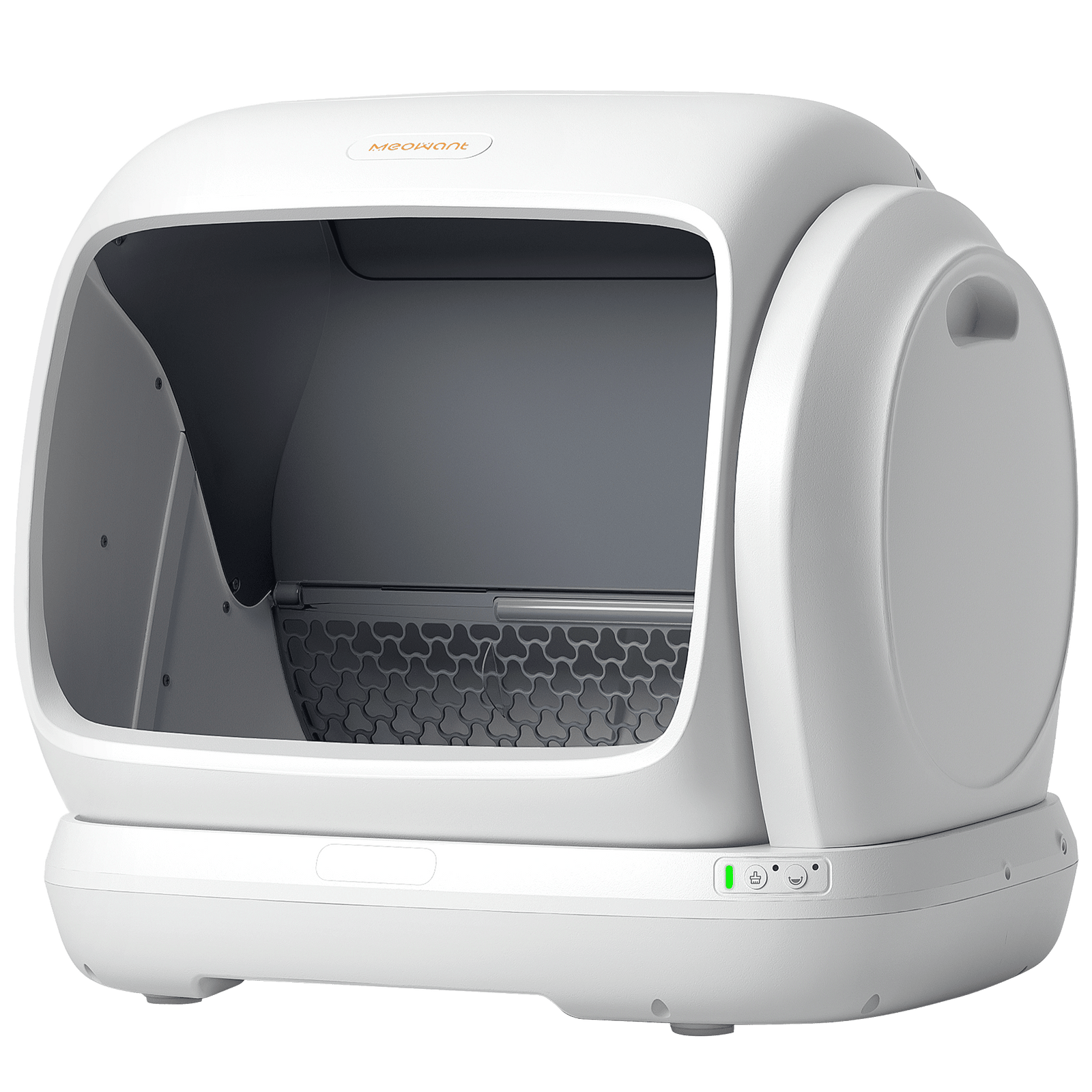
The room matters as much as the cat. These units need a level floor, a nearby outlet, and enough clearance for the drum or rake to move. A narrow closet or a spot behind a door may fit the box but not its motion. Keep the unit away from food and water, and give it a wall to back against so it feels stable. In multi-cat homes, one automated box is rarely enough for three or more cats; the general guidance is one box per cat plus one, and automation does not change that math.
Building a Routine That Keeps the Box Working
An automated box rewards a light routine. Empty the waste drawer before it is full, because a packed drawer prevents clumps from dropping and forces the mechanism to work harder. Check the litter level every few days and top up with the same type you started with; switching textures mid-stream confuses cats and can throw off the rake’s calibration. Wipe the interior with a pet-safe cleaner when you notice residue, and replace the filter on the schedule the manufacturer recommends rather than waiting for a smell.
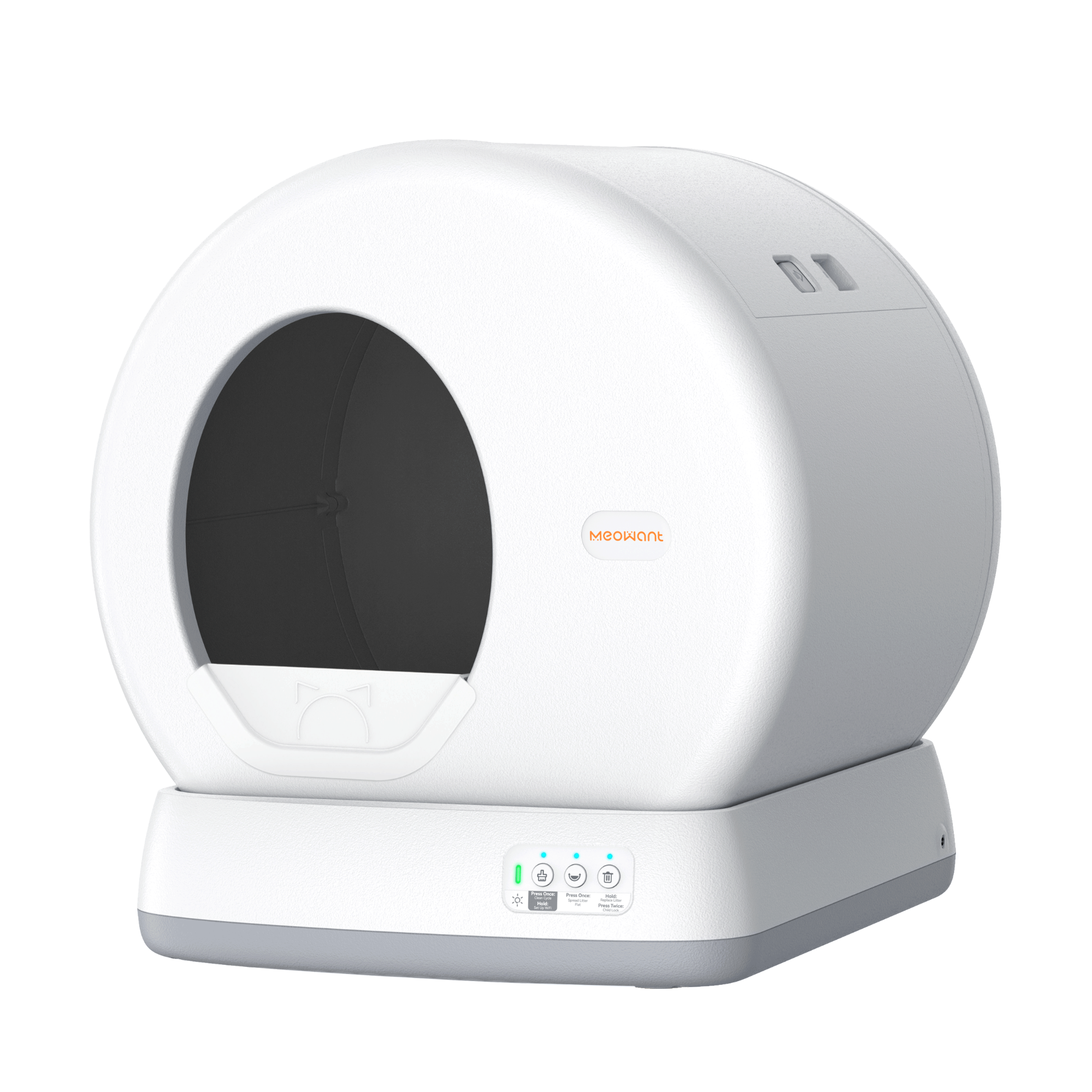
Watch your cat during the first week. Some adjust immediately, while others need the unit to sit unplugged for a day so they can explore it without motion. If a cat avoids the box after a few days, try a longer cycle delay, a different litter, or a temporary second box nearby. Never force the issue by removing the old box on day one. A gradual swap protects the habit you are trying to preserve.
The Calmer, Cleaner Home You Can Actually Keep
Automatic litter boxes are not magic, but they solve a specific and familiar problem: the chore that never ends and the smell that creeps back between scoops. The units that work best are the ones built around safety, a sealed waste path, and a cycle your cat can tolerate. When those pieces line up, the daily scoop disappears from your mental checklist, and the room stops announcing itself to visitors.
The trade-off is attention, not effort. You still empty a drawer and watch for changes in your cat’s habits. But the baseline shifts. Instead of reacting to a dirty box, you maintain a clean one. For busy households, that shift is the whole point: fewer interruptions, less odor, and a cat that keeps using the box it was trained on.