The Evolution of Online Gaming: A Journey from Leisure to Global Phenomenon
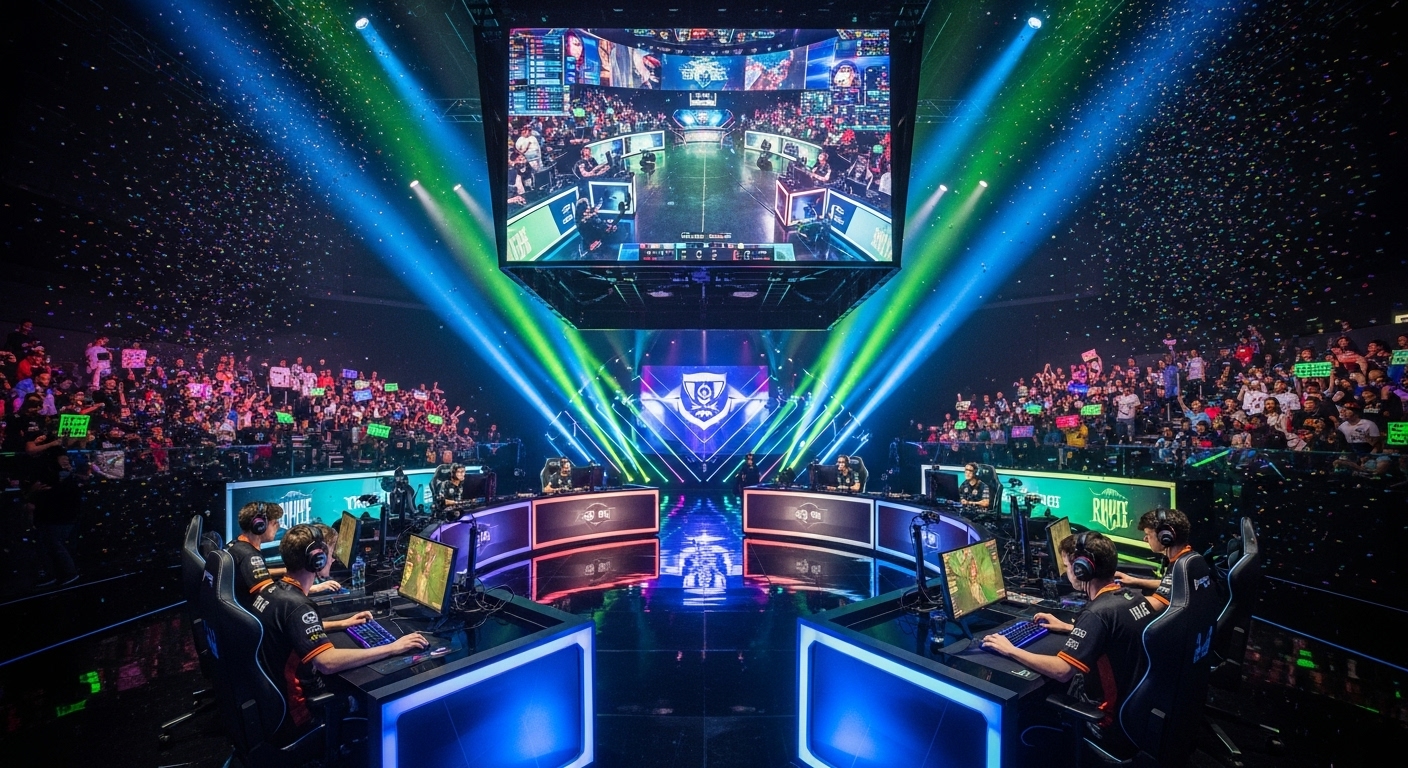
Online gol88.com has evolved over the last few decades into one of the most influential forms of entertainment in the world. From its early days of simple, pixelated graphics and limited multiplayer capabilities to today’s immersive, globally connected experiences, online gaming has reshaped the entertainment industry and social dynamics. As technology advances and the gaming community grows, online gaming is poised to continue its rise, impacting everything from the economy to culture. In this article, we will explore the history of online gaming, its transformative impact on society, and what lies ahead for this rapidly expanding industry.
The Early Beginnings of Online Gaming
The idea of online gaming began long before broadband internet was common. In the 1970s, early computer games like Spacewar! and Maze War allowed two players to interact with each other, though these games were typically restricted to a single location or local network. However, it wasn’t until the 1990s, when the internet began to gain traction, that the first truly connected multiplayer experiences emerged.
One of the first games to offer online multiplayer capabilities was Doom (1993), which allowed players to connect over local area networks (LANs) and battle each other in real-time. This sparked the interest of developers, leading to the creation of more sophisticated online games. Warcraft (1994) and Quake (1996) were among the first titles to bring together players from different geographical locations using dial-up internet connections. Although the experience was often limited by slow connection speeds, these early games set the stage for the vast world of online gaming to come.
The early 2000s marked a turning point in online gaming with the widespread adoption of broadband internet. Games like World of Warcraft (2004) allowed players from all around the world to connect in massive virtual worlds, setting a precedent for the future of online gaming by introducing long-term, persistent virtual environments.
The Growth of Online Gaming: From Niche to Mainstream
Online gaming quickly grew in popularity as broadband internet became more accessible, making it easier for players to connect. The rapid development of new gaming technologies and platforms has propelled online gaming into a global industry worth billions.
Mobile Gaming: A Game-Changer
One of the most transformative factors in the growth of online gaming has been the rise of mobile gaming. With the advent of smartphones, games became more accessible to players at all skill levels, at all times. The widespread availability of mobile devices allowed games to reach an entirely new audience. Popular games like Angry Birds, Candy Crush, Clash Royale, and Pokémon Go have reached millions of casual gamers, many of whom may never have considered gaming on traditional consoles or PCs.
The mobile gaming market has introduced a variety of monetization models, including in-app purchases, ads, and subscriptions, which have proven successful at generating revenue for developers. The free-to-play model, where players can access games for free but purchase additional content, has become especially popular, further fueling the growth of mobile gaming.
Console Gaming and Online Play
Despite the rise of mobile gaming, console gaming remains at the core of the online gaming experience. Platforms like PlayStation, Xbox, and Nintendo Switch have developed robust online ecosystems, providing players with access to vast game libraries and the ability to connect with friends and strangers for multiplayer experiences.
Games such as Fortnite, Apex Legends, Call of Duty, and Rocket League have drawn millions of players to their multiplayer modes, where teamwork and competition are central to the experience. These games encourage social interaction, and the growing presence of digital storefronts and online services (such as PlayStation Network, Xbox Live, and Nintendo Online) has made it easier for players to access content and engage with their gaming communities.
PC Gaming and Esports
PC gaming has remained a powerful force in the online gaming world, particularly in the competitive gaming scene, or esports. The ability to build customized PCs with high-end graphics cards and processing power has made PC gaming the platform of choice for many professional players and competitive gamers.
Popular games like League of Legends, Counter-Strike: Global Offensive, and Dota 2 have built massive communities of players and fans, with some games reaching peak audiences of millions. Esports tournaments, which offer large cash prizes and sponsorships, have cemented competitive gaming as a legitimate career. Esports has grown into a multi-billion-dollar industry, with professional players, teams, and analysts all participating in tournaments broadcasted on platforms like Twitch and YouTube.
The Social and Cultural Impact of Online Gaming
One of the key factors in the rise of online gaming is its social nature. What once was a solitary activity has now become a global platform for socialization, collaboration, and competition. The ability to connect with others in real-time from around the world has made online gaming more than just a hobby—it has become a social experience.
Building Communities
Multiplayer online games provide a space for players to come together, form friendships, and collaborate toward shared goals. In games like World of Warcraft, Minecraft, and Overwatch, players work together as teams, forming guilds or clans to complete in-game challenges and quests. These virtual communities often extend beyond the games themselves, with players interacting through forums, social media, and other platforms.
Gaming communities provide a sense of belonging, and many players form strong, lasting friendships through these shared experiences. Online games have become digital social spaces where people from different backgrounds, cultures, and countries can connect and bond over shared interests.
The Streaming Revolution
Streaming platforms like Twitch and YouTube Gaming have made it possible for gamers to share their experiences with a wider audience, leading to the rise of gaming influencers and content creators. These streamers not only entertain viewers by playing games but also interact with their audiences in real-time, creating a more personalized experience.
Many of these content creators have turned gaming into a full-time career, earning income from ads, sponsorships, and donations. This has allowed for the rise of gaming as a spectator sport, with fans tuning in to watch live streams of their favorite games, esports tournaments, or even casual gameplay sessions. Streaming has made gaming a form of digital entertainment that extends beyond the players themselves.
The Economic Impact of Online Gaming
Online gaming is a driving force in the global economy. As of 2021, the gaming industry was valued at over $159 billion, and that figure is expected to continue growing. The economic success of online gaming is not just driven by game sales but also by the growth of in-game purchases, digital distribution, and streaming services.
In-Game Purchases and Microtransactions
One of the key revenue models for modern online games is in-game purchases. Games like Fortnite, League of Legends, and Genshin Impact have adopted a free-to-play model, where players can download and play the game for free, but can choose to buy cosmetic items, skins, and other digital content. This has proven to be a highly lucrative model, enabling games to maintain long-term profitability through regular content updates and microtransactions.
The Rise of Game Streaming and Content Creators
The success of platforms like Twitch and YouTube Gaming has created a new industry of content creators and esports personalities. These influencers and streamers not only build fanbases but also collaborate with gaming companies and brands for sponsorship deals, leading to a new avenue for revenue generation. Streaming has revolutionized the way gaming is consumed, with players no longer just participating in games but also watching others play.
The Future of Online Gaming: What’s Next?
The future of online gaming is poised for even more rapid growth, with emerging technologies and trends that promise to further revolutionize the industry.
- Virtual Reality (VR) and Augmented Reality (AR): VR and AR technologies are already beginning to transform the way games are played. VR gaming offers fully immersive experiences, while AR games like Pokémon Go overlay digital elements onto the real world. As these technologies improve, they could become a mainstream feature of online gaming, providing even more interactive and engaging experiences.
- Cloud Gaming: Cloud gaming services like Google Stadia, Xbox Cloud Gaming, and NVIDIA GeForce Now are removing the need for high-end hardware by allowing players to stream games to a variety of devices. This could democratize gaming, making it accessible to players with limited resources or older devices.
- Blockchain and NFTs: Blockchain technology could redefine digital ownership in gaming, allowing players to own unique in-game items, such as skins, weapons, and characters. Non-fungible tokens (NFTs) are already being explored as a way to trade and sell in-game assets securely, which could lead to a new digital economy within gaming.
- AI and Machine Learning: Artificial intelligence will continue to play a significant role in enhancing the gaming experience, from creating smarter NPCs to improving game design. AI could also personalize gameplay based on a player’s preferences, creating more dynamic and engaging experiences.
Challenges and Concerns in Online Gaming
Despite its success, online gaming faces several challenges. One of the primary concerns is toxic behavior, such as harassment and bullying, within online communities. Many developers are implementing better moderation tools and anti-harassment policies, but the issue persists. Gaming addiction is another concern, with some players spending excessive time online at the expense of their personal lives and responsibilities.
Privacy and security are also critical issues. Online games often require players to share personal information, and with the growing risk of cyberattacks and data breaches, developers must ensure robust security measures are in place.
Conclusion: The Future of Online Gaming
Online togel 123 has come a long way since its inception, and its influence on entertainment, social interaction, and the economy continues to grow. As technology advances, the possibilities for online gaming are limitless, and the industry is likely to continue expanding, offering more innovative experiences for players around the world.
With its ability to connect people, create new communities, and drive economic growth, online gaming is shaping the future of entertainment. As we look ahead, it’s clear that online gaming will remain a central part of digital culture and entertainment for years to come.