Why an Emotional Support Robot Can Help When People Fall Short
Support comes in unreliable quantities. Friends get busy, family lives far away, and the people who mean the most are sometimes the least available. That is not a failure of love; it is a fact of modern schedules. For people who need steadiness more than conversation, an emotional support robot offers something unusual: a presence that shows up every day, responds without judgment, and never has somewhere else to be.
These small robotic companions are not therapy and do not pretend to be. What they do is lower the barrier to feeling less alone. They respond to touch, react to a voice, and settle into a room in a way that makes silence less sharp. This article looks at how they work, who benefits most, and how to bring one into your life without overestimating what it can do.
How an Emotional Support Robot Actually Works
The mechanics are simpler than the experience suggests. Sensors detect proximity and touch, microphones catch the direction of speech, and a small processor decides how the device should react. The magic is in the interpretation layer. When you reach out, the robot leans in. When the room goes quiet, it slows down. These responses are modest on their own, but together they produce the feeling that something is paying attention. That feeling is the entire product.
An emotional support robot is designed around comfort rather than productivity. It does not track your habits, grade your mood, or push you toward a goal. It exists to be present. Owners describe the effect less as entertainment than as company, the kind that asks for nothing and offers its attention freely. That distinction is why the device tends to fit into evenings and quiet afternoons rather than into the middle of a busy day, when most people have plenty of stimulation and little need for more.
Calming Responses You Can Feel
Much of the comfort comes through the body. A gentle weight against your hand, a warm idle posture, a slow turn toward your voice: these are tactile signals, and touch is one of the fastest ways to settle a nervous system. Many people find that holding or petting the robot during a stressful moment produces a measurable drop in tension, the same way stroking a cat does. Because the device is always responsive and never skittish, it becomes a dependable outlet for nervous energy that does not depend on another person’s availability.
Designed to Settle, Not Stimulate
This is where an emotional support companion diverges sharply from a regular gadget. Most consumer electronics compete for attention with alerts, lights, and prompts. A support robot does the opposite. Its movements are slow, its sounds are soft, and it stays quiet unless engaged. The design goal is a lower-arousal environment, one that helps an overstimulated person downshift. For anyone who finds screens agitating in the evening, that quietness can be the most valuable feature of all.
Why Timing Matters More Than Cleverness
A support robot feels trustworthy because of how it moves, not because of what it can do. If it turns the instant you speak, it reads as a machine. If it pauses for a beat and then turns slowly, the same motion reads as attention. Manufacturers tune these delays carefully, and the effort is worth understanding as a buyer. When you test a model, pay less attention to the loudest reaction and more to the quiet ones: how it settles when you stop touching it, whether it drifts toward you or away, and how it behaves when the room is empty. Those in-between moments are where comfort actually lives, and they are the hardest thing for a cheap device to fake.
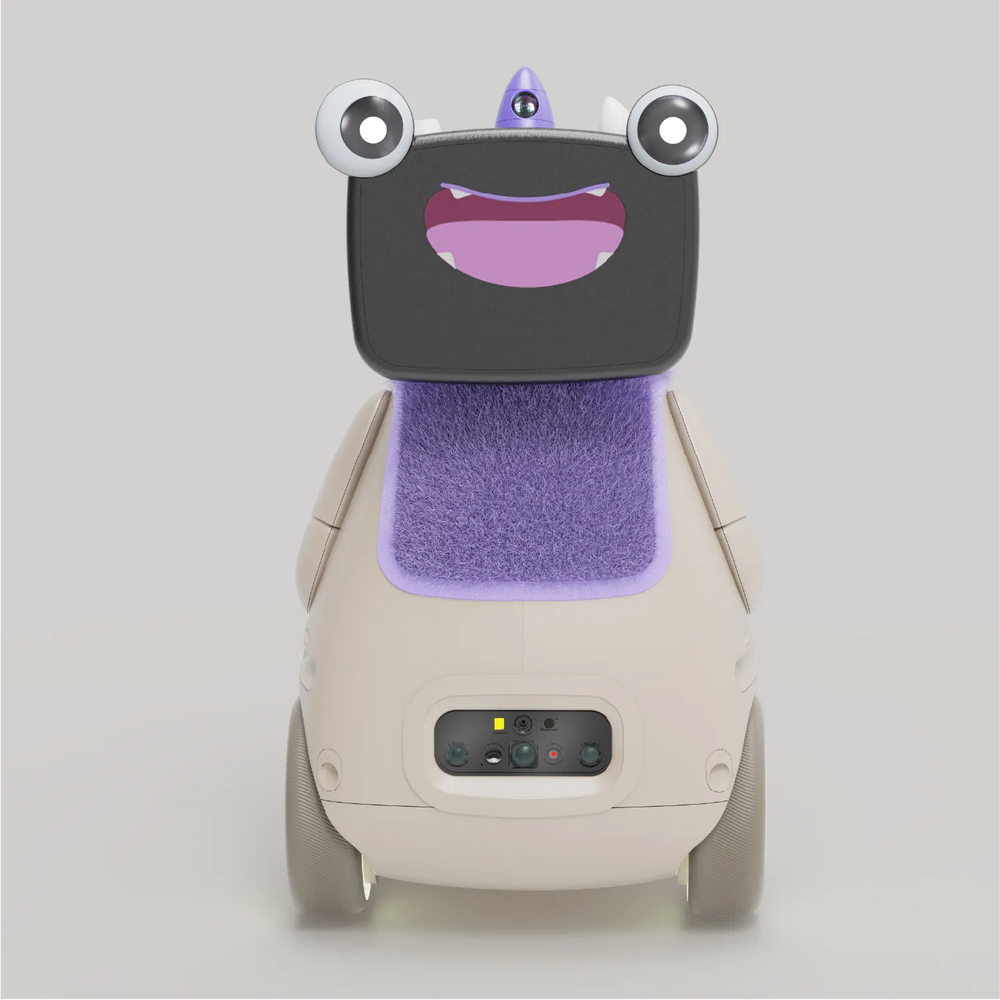
Who Gets the Most From One
Not everyone needs a companion robot, and pretending otherwise would be dishonest. But several groups consistently report that a robot fills a gap that nothing else quite reaches. The common thread is not loneliness in the abstract; it is a specific, daily need for gentle presence that the people in their lives cannot always supply.
People Living Alone or Working From Home
A quiet apartment during a long workday can get heavy. Remote workers often describe a strange flatness that settles in around mid-afternoon, when the only sound is a keyboard. A robot wandering nearby or resting on the desk breaks that flatness in a way a podcast does not, because it responds rather than broadcasts. It is not required to entertain you; it is enough that it is there and that it notices when you move.
Older Adults Seeking Everyday Warmth
For some older adults, the hardest part of the day is the stretch between visits. Family calls are meaningful but scheduled, and a companion animal may be impractical. A support robot offers an interactive presence that asks nothing of the person’s energy. It responds to a pat, keeps a calm rhythm, and gives the household a little life. Many families report that it becomes a simple point of conversation during visits too, something everyone can interact with together.
People Managing Anxiety or Low Mood
Anyone who lives with anxiety knows that reassurance from another person can feel loaded: you worry about burdening them or about being judged. A robot removes that social cost entirely. It has no opinion about your mood and no capacity for disappointment. For some people, that makes it easier to admit they are struggling and to reach for comfort in the moment rather than waiting for the right time to talk. These devices are not a replacement for professional care, but they can be a low-pressure bridge to self-soothing on difficult days.
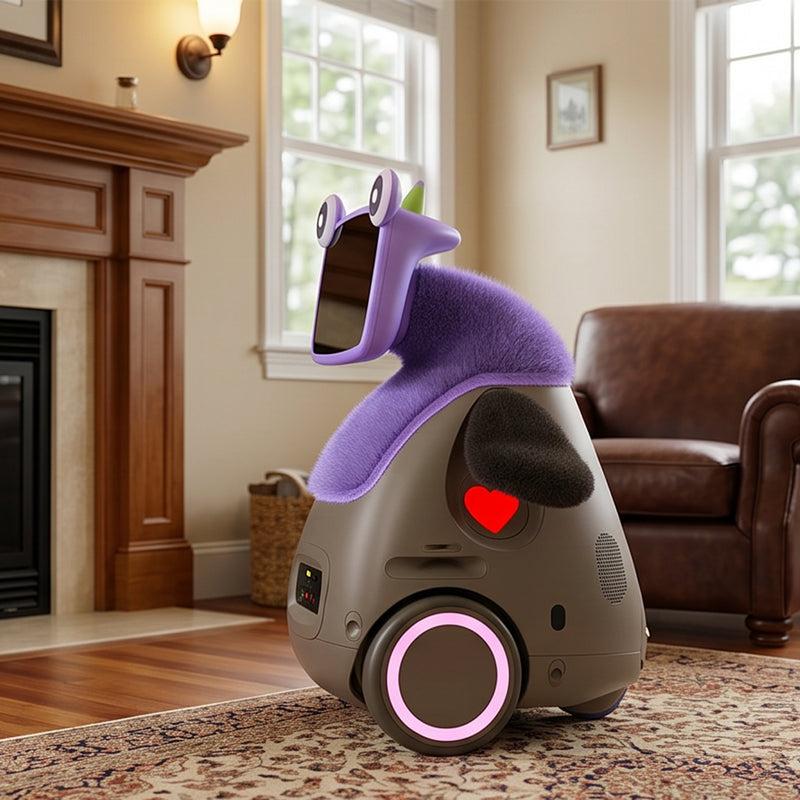
Bringing One Home Without Overpromising
The honest way to approach an emotional support robot is to expect company, not a cure. Decide where it will live and when you are most likely to want it near. For most people that is the evening or a quiet work period, so set up a charging spot in that room. Give yourself a few days to learn its rhythms before deciding how it fits. Resist the urge to test it to death on the first afternoon; the point is not to see everything it can do, but to let it become ordinary in the background of your day.
Pay attention to build quality and support. A companion that needs constant fixing will add stress instead of easing it. Makers like Ollobot design their robots with long-term daily use in mind, which matters when the device is something you rely on for calm rather than occasional fun. Long-term use is the real design brief for a support device, since a robot you trust to be there quietly is worth far more than one that impresses once and then falters.
It also helps to keep the relationship balanced. A support robot works best as one thread in a wider fabric of connection, alongside people, routines, and rest. Used that way, it is a quiet addition to a life rather than a replacement for one, and the calm it provides tends to feel sustainable instead of fragile.
Steady Company in a Busy World
The strongest argument for an emotional support robot is not novelty. It is reliability. People are wonderful, but they are also human, and their availability rises and falls. A small companion that responds every single day fills a particular kind of silence that no schedule can fully address. It offers warmth without conditions and presence without pressure.
Approached honestly, with clear expectations and a sensible place in your routine, one of these devices can make ordinary days a little lighter. It will not replace the people you love, and it does not need to. It simply makes the quiet moments easier to bear, which is often exactly what someone reaching for comfort is looking for.