The 90-Second Hair Wash: Small Decisions That Change How Hair Feels
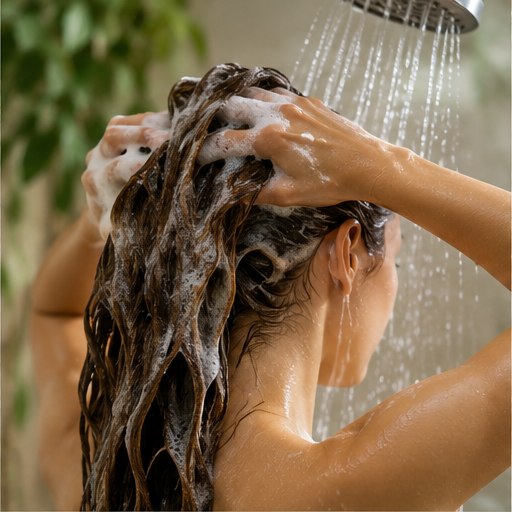
There is a surprisingly large gap between washing your hair and washing it thoughtfully. Most of us have learnt a routine through repetition rather than instruction: wet it, apply shampoo, make some foam, rinse and move on. The process is familiar enough to happen while we are thinking about emails or tomorrow’s plans. Yet the way we handle hair in the shower influences how clean, comfortable and manageable it feels afterwards.
The answer is not necessarily a complicated collection of products. A more useful starting point is to notice where the water goes, how the cleanser is applied and what happens to the hair while it is wet. These details are ordinary, but ordinary decisions are the ones we repeat most often.
Before the Water: Make Washing Easier
A good wash begins before you turn on the tap. If your hair tangles readily, gently work through the ends with your fingers or a suitable brush before wetting it. Start at the bottom of the lengths, hold the section above the knot and move upwards gradually. Pulling a brush from root to tip through a tangle can turn a small snag into an unnecessary tug.
Think about how much styling product you have used since your last wash. A little leave-in cream is different from several days of dry shampoo, hairspray and texture spray. You do not need to punish your scalp with an aggressive scrub, but recognising build-up can help you wash deliberately rather than automatically adding more cleanser.
Finally, put your towel within reach. Wet hair is easily stretched and can snag on jewellery or rough fabrics. Having everything ready lets you move from washing to drying without hurried handling.
The First Thirty Seconds: Let the Water Do Some Work
It is tempting to add shampoo as soon as the hair feels damp. Instead, take time to wet the scalp thoroughly, especially at the crown, nape and behind the ears. Dense or long hair can look soaked while sections close to the skin remain relatively dry.
Use comfortably warm water, not water hot enough to leave the scalp feeling tight. Lift the hair in sections with your fingertips and allow water to reach underneath. This is a simple way to distribute cleansing more evenly, and it may mean you need less shampoo than usual.
The point is not to keep a stopwatch beside the shower. The point is to replace a rushed splash with a complete wetting. Once the roots and lengths are saturated, applying cleanser becomes much easier.
Put the Shampoo Where It Belongs
Shampoo is primarily for cleansing the scalp and roots. The lengths generally receive enough contact as the lather travels down during rinsing. Scrubbing the ends together as though you were washing a cloth can create tangles, particularly if the hair is long, coloured or naturally textured.
Dispense a modest amount, spread it across your hands and apply it to several areas of the scalp instead of concentrating everything in one spot. Massage with the pads of your fingers. Nails are unnecessary and can make an already sensitive scalp feel uncomfortable.
The right shampoo is one you can use consistently and comfortably. For those exploring botanical routines, a hair loss shampoo featuring traditional Chinese herbal ingredients can be considered as a cleansing option, without treating shampoo as a medical solution or expecting overnight changes.
A Gentle Massage Is Not a Scrub
The word “massage” often suggests pressure, but the scalp does not need force. Make small, controlled movements, moving systematically across the hairline, temples, crown and nape. The aim is to distribute cleanser and dislodge everyday residue. If your hair is very long, keep the lengths hanging naturally rather than piling them into a knot on top of your head.
Pay attention to the areas you commonly overlook. People with a fringe may focus on their front hairline; people who wear their hair up may forget the nape. A consistent pattern helps ensure that one section is not repeatedly washed while another is missed.
Many shampoos provide instructions about how long to leave the product on before rinsing. Follow the label rather than inventing a universal rule. More time does not automatically mean a better result, and a product designed to rinse away should not be treated as a leave-in mask.
Rinsing Is a Full Step, Not an Afterthought
Residue can make hair feel heavier than expected, even after an enthusiastic wash. Let water move through the roots while separating sections with your fingers. Pay attention behind the ears and at the nape, where foam may linger.
A useful check is how the roots feel as you rinse. They should no longer feel coated with obvious cleanser. This is not an invitation to rub until the hair squeaks. Squeaky hair is not a reliable measure of quality, and making the lengths feel stripped is not the goal.
If you have especially thick hair, try leaning your head slightly in a different direction so water reaches the underneath layers. Small changes in position can be more effective than simply increasing the force of the shower.
Conditioning Without Flattening Your Roots
After shampoo, the needs of your roots and ends may diverge. The scalp needs cleansing; the older lengths often need softness and easier detangling. Apply conditioner mainly where the hair benefits, typically from mid-lengths to ends, unless the product specifically instructs otherwise.
Distribute gently with your fingers or a wide-tooth comb suitable for wet hair. Leave it on for the directed period and rinse according to the label. If your roots become heavy quickly, experiment with using a little less conditioner near the top rather than abandoning conditioning altogether.
Curly, coily, bleached and very dry hair may need a different approach from fine, straight hair. There is no moral virtue in using fewer products if your particular texture needs more slip or moisture. The useful measure is how the hair feels and behaves over several washes.
The First Five Minutes After the Shower
Resist the urge to rub your head vigorously with a towel. Instead, gently squeeze water out and blot the lengths with a soft towel or cotton T-shirt. If you wrap your hair, avoid twisting the wrap so tightly that it pulls at the roots.
Detangle at a stage appropriate for your hair type. Some textures are easiest to work through with conditioner still present, while others can be handled once excess water has been removed. Use a gentle tool, start at the ends and avoid tugging through knots.
If you use a hairdryer, keep heat and airflow comfortable and move the nozzle rather than holding it against a single area. Heat styling is sometimes convenient; the goal is thoughtful use, not a rigid ban on all styling tools.
How Often Should You Wash?
There is no universally correct number. Someone who exercises daily, has a naturally oilier scalp or regularly uses styling products may prefer frequent washing. Someone with dry, textured hair might choose longer intervals. The weather, working environment and personal comfort also matter.
Rather than following a trend about “training” the scalp, notice how your scalp feels and how the roots behave. A routine that leaves you uncomfortable is not automatically better because it is fashionable. Adjust one variable at a time so you know what has made a difference to the feel and appearance of your hair.
For people who enjoy traditional botanical routines, browsing hair growth products can be a way to understand how shampoos and scalp-focused products fit into a wider, straightforward grooming ritual.
Build a Personal Wash-Day Checklist
Try using the same basic sequence for two weeks: detangle gently if needed, saturate the roots, apply a sensible amount of shampoo, massage with fingertips, rinse completely, condition the appropriate sections and blot dry. Note whether the roots feel fresh, whether the ends are manageable and whether you have more tangling than usual.
If the result is disappointing, change only one element. Perhaps you have been applying too much conditioner at the roots, or perhaps the underside of your hair needs a more thorough rinse. Replacing everything at once can make it difficult to tell which adjustment helped.
A wash routine should also be realistic. There will be mornings when you have five minutes and evenings when you have time for a longer ritual. A simple, repeatable technique is far more useful than a perfect routine that exists only in your plans.
The Takeaway
A thoughtful hair wash is not a miracle treatment or an elaborate self-care performance. It is a short sequence of sensible actions: prepare the hair, wet the scalp completely, cleanse gently, rinse carefully and handle the damp lengths with care. Those small decisions make the ritual easier to repeat and may improve how the hair feels day to day. Sometimes the most valuable change in the bathroom is not a new bottle, but a better habit.
HERBAL HAIR | GUEST ARTICLE