What Are The Rules Before Taking A Trade
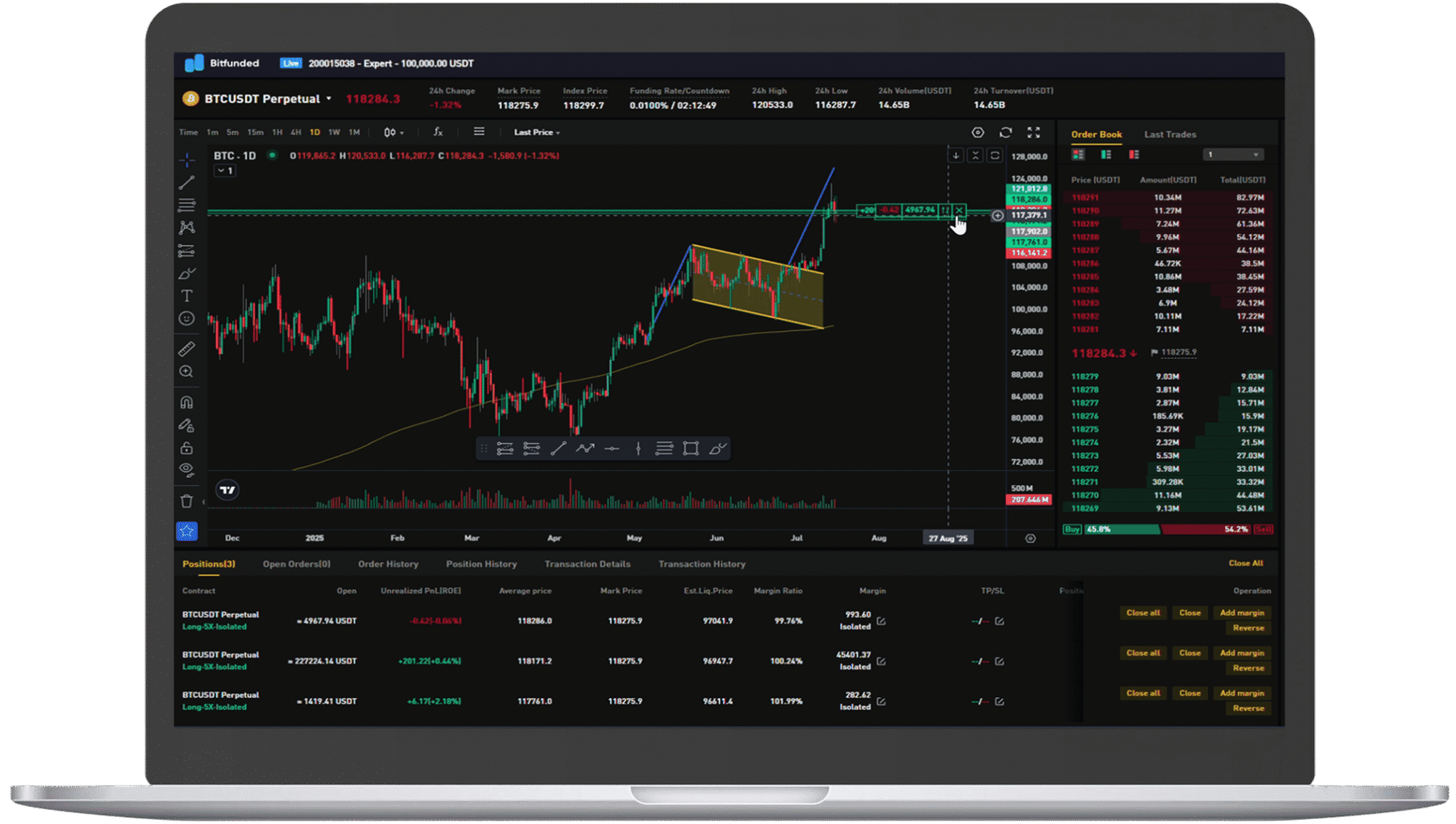
Before entering any trade, a trader needs more than a market idea. A strong setup can still become a poor trade when position size, stop loss, timing, or account restrictions are ignored. This becomes especially important during funded challenges, where traders must often follow predefined risk conditions while demonstrating their ability to trade consistently.
Knowing the rules before clicking the buy or sell button creates a simple but powerful habit: make the decision first, execute second. This approach can help traders avoid impulsive entries and understand exactly how each position fits into their broader trading plan.
Start With A Clear Trading Setup
Every trade should begin with a reason for entering the market. That reason might come from a technical pattern, price level, trend, market structure, or another strategy the trader has tested.
A trader should be able to explain what makes the current setup attractive before placing an order. If the only reason is that the market is moving quickly or another position has recently made money, the trade may be driven more by emotion than analysis.
A clear setup also makes it easier to determine where the trade becomes invalid. That point is important because it influences the stop loss and position size.
Check The Current Market Conditions
A strategy does not operate in isolation. Market conditions can change throughout the day, affecting volatility, liquidity, and price behavior.
Before taking a position, traders should consider whether the market is trending, ranging, consolidating, or experiencing an unusually sharp movement. A strategy designed for a calm range may behave poorly during a sudden breakout.
Crypto markets can remain active around the clock, making this check particularly relevant. A trader should understand what is happening before assuming that a familiar setup will produce the same result as it did previously.
Calculate Risk Before Position Size
Position size should come from risk, not from the amount of capital available. A trader first determines how much of the account can reasonably be exposed to a single idea. The distance between the planned entry and stop loss can then help determine an appropriate position size.
This becomes particularly important in a funded trading environment. A position that appears small compared with the account balance can still create excessive exposure if the stop loss is wide or the asset is highly volatile. Traders preparing for a funded trading account challenge should therefore align every position with their predefined risk limits.
Taking a few seconds to calculate risk before execution can prevent a potentially damaging mistake.
Set The Stop Loss In Advance
A stop loss should have a logical purpose. It should identify the point where the original trade idea is no longer valid rather than being placed at an arbitrary distance simply to satisfy a rule.
Without a predetermined exit level, traders can easily fall into the habit of moving the stop when the market moves against them. What begins as a controlled position can then become an open-ended loss.
Before entering, traders should know where they will exit if the market proves their analysis wrong. This creates a defined boundary and reduces the need for emotional decisions later.
Understand The Maximum Drawdown
Trading rules are not limited to individual positions. Many funding programs also establish daily or overall drawdown limits.
A trader therefore needs to understand how much room remains before taking another trade. Several small losses may already have reduced the available risk capacity for the day.
This matters because a trader who ignores cumulative losses can unintentionally increase the probability of violating an account rule. Checking the current account position before opening another trade can help maintain control. The objective is not to use every available dollar of risk. It is to preserve enough flexibility for future opportunities.
Consider The Reward And Risk
A promising trade should have a reasonable relationship between potential reward and potential loss. For traders preparing for a funded trading account challenge, assessing this balance before entering can help ensure that each position fits within the broader risk plan.
This does not mean every trade must produce a large profit relative to its risk. Instead, traders should understand what they are potentially giving up compared with what they expect to gain.
For example, risking a large amount to pursue a very small price movement may make little sense, particularly when trading costs and market volatility are considered. A trader can assess the target, stop location, and expected market movement before execution. If the structure does not make sense, skipping the trade can be a valid decision.
Review Trading Restrictions
Before entering a trade under a funding program, traders should check the specific rules that apply to their account.
Restrictions can vary between programs and account types. They may involve holding periods, news trading, weekend positions, leverage, automated systems, maximum position sizes, or other trading practices.
Assuming that every funding provider uses identical rules can lead to avoidable problems. Traders should read the current terms associated with their particular account rather than relying on information from another platform. A profitable trade can still create complications if it violates an applicable account condition.
Check News And Volatility Events
Major economic announcements and significant crypto developments can produce rapid price movements. Even traders who do not trade news directly can be affected by the resulting volatility.
Before entering a position, it can be useful to check whether important events are approaching. This is particularly relevant when a trader plans to keep a position open for an extended period.
A sudden price movement can trigger a stop loss, widen execution costs, or alter the structure that originally supported the trade. The purpose of checking the calendar is not to predict every market reaction. It is simply to understand whether unusual volatility may be approaching.
Conclusion
A trade should never begin with the order button. It should begin with preparation. By defining the setup, checking market conditions, calculating risk, setting exits, reviewing account restrictions, and managing emotional pressure, traders can make decisions from a plan rather than from impulse.
The same discipline becomes even more valuable when working toward funded challenges, where protecting the account can be as important as generating returns. Traders exploring structured crypto proprietary trading opportunities can consider Bitfunded as one option while carefully reviewing its current rules, conditions, and trading requirements before participating.