How Strategic Office Fit-Out Design Transforms Workspaces and Results
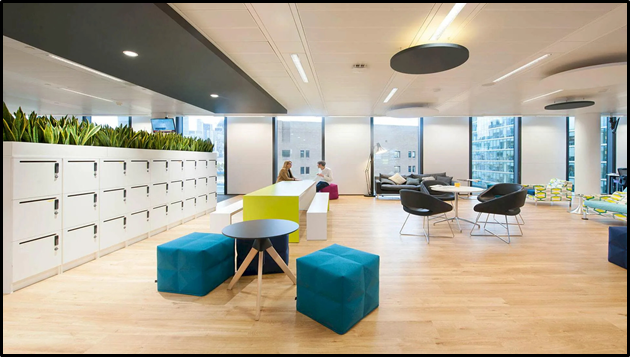
A modern office is no longer just a place to sit and work, it is a strategic tool that shapes productivity, innovation, culture, and business outcomes. Today’s organisations understand that smartly designed workplaces inspire people, strengthen brands, and support evolving workstyles. That is why many businesses collaborate with the best interior fit-out companies in Dubai to turn ordinary offices into powerful environments that drive results. Strategic office fit-out design focuses on how people move, interact, think, and feel within a space, ensuring that every element, from layout to lighting, contributes to performance and well-being.
Why Strategic Fit-Out Design Matters
A thoughtfully planned office impacts much more than aesthetics. It influences focus, energy levels, morale, communication, and efficiency. When design is aligned with company culture and practical needs, employees feel supported, valued, and motivated. Strategic fit-outs allow businesses to:
- Improve productivity through ergonomic layouts and better space planning
- Reduce stress by introducing natural light, calming design, and quiet zones
- Strengthen collaboration with well-designed meeting and brainstorming areas
- Enhance wellness through comfortable furniture and healthier environments
- Create a strong brand identity that reflects values and professionalism
Instead of a one-size-fits-all approach, strategic design ensures that every feature has purpose and relevance, whether the goal is creativity, concentration, teamwork, or flexibility.
Space Planning: Making Every Area Work Smarter
Space utilisation is one of the core principles of an effective office fit-out. Strategic design looks beyond placing desks and partitions; it focuses on how space supports day-to-day tasks. Open areas can encourage interaction and team bonding, while private corners help employees handle confidential or deeply focused work. Smart layouts also ensure smooth movement, better circulation, and minimal disruption.
Multifunctional furniture, adaptable workstations, and modular layouts allow offices to evolve with changing business needs. This adaptability is especially important today, where hybrid work, shifting team structures, and dynamic workflows demand flexible environments.
Lighting, Colour, and Atmosphere: Subtle Elements with Big Impact
Lighting and colour psychology have a powerful influence on mood, focus, and performance. Natural light reduces fatigue, improves energy levels, and supports mental well-being. Thoughtful artificial lighting ensures comfort during long hours, reducing strain and boosting alertness.
Similarly, colour choices can shape behaviour. Calming tones like blues and greens promote relaxation and mental clarity, while warmer shades encourage creativity and enthusiasm. When harmonised with textures, materials, and finishes, these design elements create environments that feel inviting, professional, and inspiring.
Ergonomics and Employee Well-Being
Strategic office fit-out design places people at the centre. Ergonomic furniture, supportive seating, adjustable desks, and comfortable layouts reduce physical stress and long-term health issues. When employees feel physically comfortable, they perform better, experience fewer distractions, and maintain higher morale. Wellness corners, relaxation spaces, and thoughtfully planned break areas also help reduce burnout and encourage healthier work habits. This balance between performance and comfort directly contributes to retention and job satisfaction.
Collaboration, Creativity, and Community
Modern offices thrive on teamwork and communication. Strategic design encourages collaboration without compromising privacy. Creative zones, brainstorming areas, and casual lounges support idea-sharing, while structured meeting rooms facilitate organised discussions. These well-planned collaborative spaces foster innovation, build stronger work relationships, and nurture a culture of openness and engagement.
At the same time, sound management and acoustic solutions are essential in modern work environments. Noise control panels, soundproof zones, and absorbent materials help reduce distractions, ensuring employees can choose when to collaborate and when to focus deeply.
Thoughtful Amenities Enhance Daily Experience
Truly effective office fit-outs consider practical user needs alongside aesthetics. Beyond desks and meeting rooms, employees benefit from thoughtfully designed support spaces such as relaxation lounges, storage solutions, wellness rooms, and functional refreshment zones. In many modern workplaces, well-planned pantries and refreshment areas have become gathering points that encourage interaction and comfort. This is where integrated design disciplines like kitchen fit out Dubai solutions play an important role, ensuring these spaces are efficient, hygienic, visually appealing, and seamlessly aligned with the overall office theme. Well-crafted amenity spaces not only improve convenience but also enhance workplace culture and satisfaction.
Technology Integration for Smarter Workplaces
Strategic office design today goes hand-in-hand with technology. Smart climate systems, advanced lighting controls, digital meeting setups, and well-planned power access make everyday tasks smoother and more efficient. Technology enables flexibility, supports hybrid work models, and ensures businesses remain future-ready. From automated booking systems and collaborative digital tools to secure connectivity and intelligent workspace management, tech-driven offices help employees work seamlessly, reduce downtime, and enhance overall efficiency. Integrating these digital solutions into spatial planning ensures the office environment actively supports productivity rather than interrupting it.
Tailoring Design to Different Business Needs
No two organisations are alike, and neither should their offices be. Creative agencies may require energetic, open spaces that spark innovation, while corporate environments often benefit from structured layouts and private focus areas. Startups may prefer agile, dynamic spaces that grow with them, whereas established firms may prioritise sophistication, brand presence, and stability. Strategic fit-out design ensures that spaces reflect operational needs, company identity, and long-term goals.
The Human Experience at the Core
Ultimately, strategic office design is about people. When employees step into a space that feels supportive, energising, and thoughtfully designed, their mindset shifts. Work becomes more engaging, communication flows more easily, and a sense of belonging develops. A great office environment sends a powerful message: the organisation values its people and invests in their comfort and success.
Conclusion
Strategic office fit-out design transforms workplaces from functional environments into meaningful experiences. By aligning space, aesthetics, wellness, and technology, companies can create offices that inspire, support productivity, and strengthen organisational culture. As businesses continue evolving, well-designed workspaces will remain essential in shaping performance, satisfaction, and growth. In this journey, choosing expert partners matters, firms like OFIXO, known for thoughtful execution and reliable solutions, help businesses build offices that are durable, efficient, and future-ready. With the expertise of professionalwaterproofing contractors, OFIXO also ensures structural protection and longevity, safeguarding interiors while enhancing overall workspace quality.